Interior Design Explained for Timeless, Meaningful Living Spaces!


Introduction
Interior design is far more than arranging furniture or choosing colors for a room. It is a thoughtful discipline that merges creativity, psychology, culture, and practicality to shape how people live, work, and feel within enclosed spaces. From ancient dwellings carved into stone to modern apartments defined by glass and steel, the way interiors are formed has always reflected human values, needs, and aspirations. When approached with intention, interior design becomes a living art that evolves alongside lifestyle changes, technological growth, and personal expression. In contemporary homes, it acts as a silent storyteller, communicating comfort, identity, and purpose without a single spoken word.
The Historical Evolution of Interior Spaces
The concept of designing interiors intentionally has existed for thousands of years. Early civilizations focused on shelter and survival, but even then, decoration and layout held symbolic meaning. In ancient Egypt, interiors reflected social hierarchy through materials and ornamentation. Greek and Roman homes emphasized proportion and symmetry, shaping spaces that balanced beauty with function. During the Renaissance, interiors became more elaborate, reflecting wealth, artistry, and intellectual progress. As industrialization emerged, homes adapted to new materials and urban living. This long journey reveals how interior design has always mirrored society itself, responding to changes in economy, culture, and technology while shaping how people experience daily life.
The Psychological Impact of Well-Designed Interiors
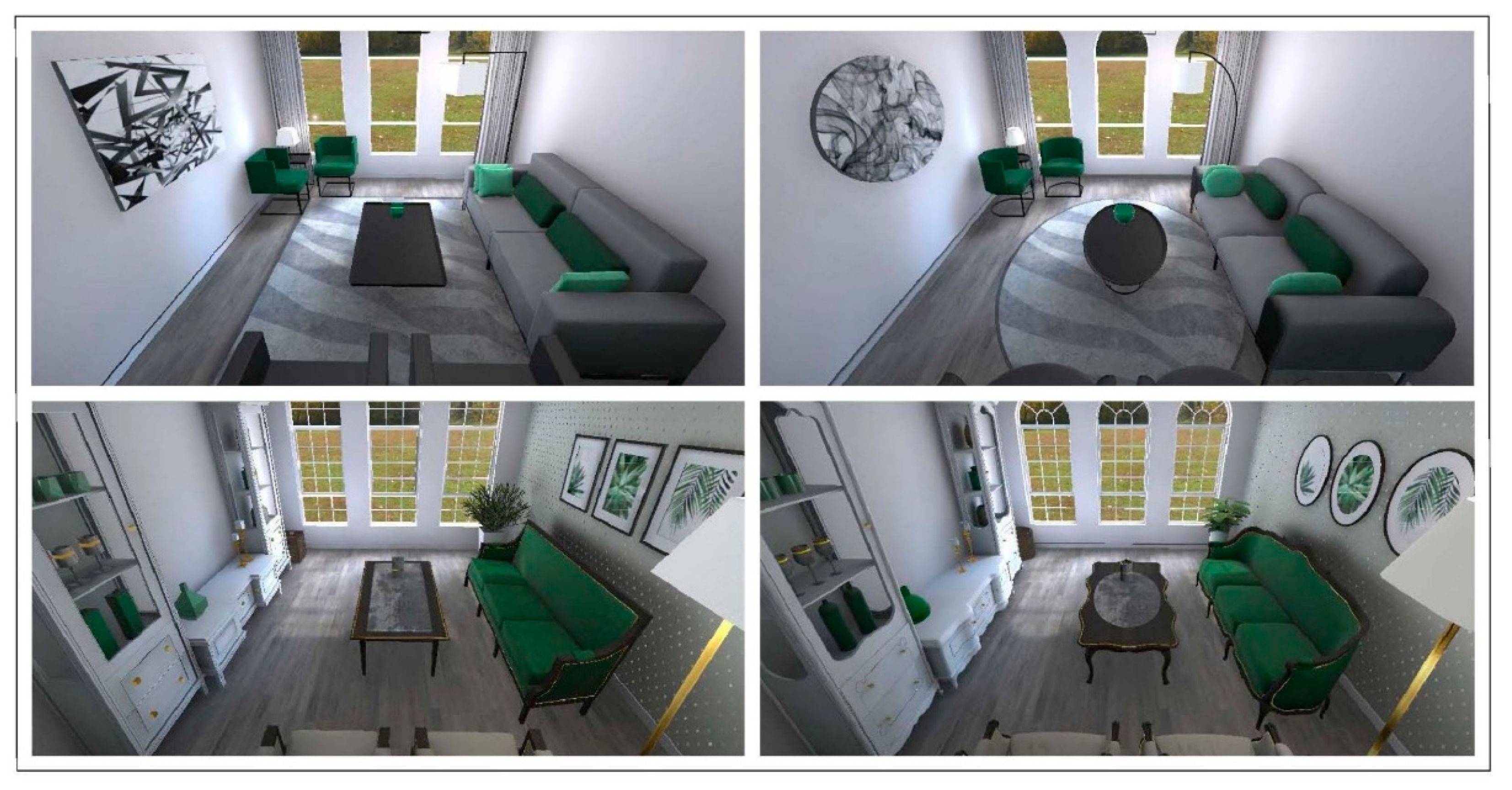
Human emotions are deeply influenced by surroundings. The scale of a room, the quality of light, and the harmony of colors can directly affect mood and behavior. A thoughtfully designed interior can promote calmness, productivity, or social connection depending on its purpose. Warm tones often evoke comfort, while cooler hues create a sense of openness and clarity. Spatial balance helps reduce stress, while cluttered environments may lead to mental fatigue. Interior design, when guided by psychological awareness, becomes a powerful tool that supports emotional well-being, making spaces not just visually pleasing but emotionally nurturing as well.
Functionality as the Foundation of Design
Every interior space serves a purpose, and functionality forms the foundation upon which aesthetics are built. A living room must support conversation and relaxation, while a kitchen requires efficiency and safety. Function-driven planning ensures that movement flows naturally and that each element serves a role. Storage solutions, furniture placement, and spatial zoning all contribute to how effortlessly a space can be used. Interior design that prioritizes function does not limit creativity; instead, it enhances it by ensuring that beauty and usability coexist seamlessly. A space that works well naturally feels more comfortable and inviting.
The Role of Materials and Textures
Materials shape both the look and feel of an interior. Natural elements such as wood, stone, and clay introduce warmth and authenticity, while metals and glass convey modernity and refinement. Textures add depth, allowing spaces to feel layered rather than flat. Smooth surfaces reflect light and create openness, while rough textures provide visual interest and tactile comfort. The careful combination of materials allows interior design to speak through contrast and harmony. Beyond appearance, material choices also affect acoustics, durability, and sustainability, making them a crucial part of responsible design decisions.
Color Theory and Spatial Identity

Color is one of the most expressive elements in any interior. It defines mood, highlights architectural features, and establishes identity. Light colors can visually expand small rooms, while darker shades create intimacy and drama. Cultural associations with color also influence perception, giving certain hues symbolic meaning. Interior design uses color strategically to unify spaces or distinguish different zones within a home. When balanced correctly, color becomes a subtle guide, leading the eye and shaping emotional responses without overwhelming the senses.
Lighting as an Invisible Architect
Lighting is often described as the invisible architect of interior spaces. Natural light enhances well-being, supports circadian rhythms, and reveals true colors. Artificial lighting, when layered effectively, provides flexibility and atmosphere. Ambient light ensures overall visibility, task lighting supports specific activities, and accent lighting adds character. Interior design considers light as a dynamic element that changes throughout the day, influencing how spaces are perceived at different moments. A well-lit interior feels alive, adaptable, and emotionally engaging.
Furniture and Spatial Harmony
Furniture acts as both a functional necessity and a visual anchor. Its scale, proportion, and placement determine how a space flows. Oversized furniture can overwhelm a room, while undersized pieces may feel disconnected. Harmony is achieved when furniture aligns with the room’s dimensions and purpose. Interior design carefully balances comfort with style, ensuring that seating invites relaxation and surfaces support everyday activities. Thoughtful furniture choices contribute to a cohesive narrative, where each piece feels intentional rather than accidental.
Cultural Influence on Interior Design
Culture plays a significant role in shaping interiors. Traditional homes often reflect local climate, materials, and customs. In many cultures, communal spaces are emphasized, while others prioritize privacy. Decorative motifs, color palettes, and spatial arrangements all carry cultural meaning. Modern interior design frequently blends global influences with local identity, creating spaces that feel both contemporary and rooted. This fusion allows interiors to tell stories of heritage while adapting to modern lifestyles, making cultural awareness an essential part of meaningful design.
Sustainability and Responsible Design Choices
As environmental awareness grows, sustainability has become central to interior design. Responsible choices focus on reducing waste, conserving resources, and selecting eco-friendly materials. Energy-efficient lighting, durable finishes, and recycled materials contribute to healthier interiors and a smaller environmental footprint. Sustainable design also emphasizes longevity, encouraging timeless aesthetics over short-lived trends. When interiors are designed to last, they reduce the need for frequent renovations, benefiting both occupants and the planet.
Technology and Smart Interiors
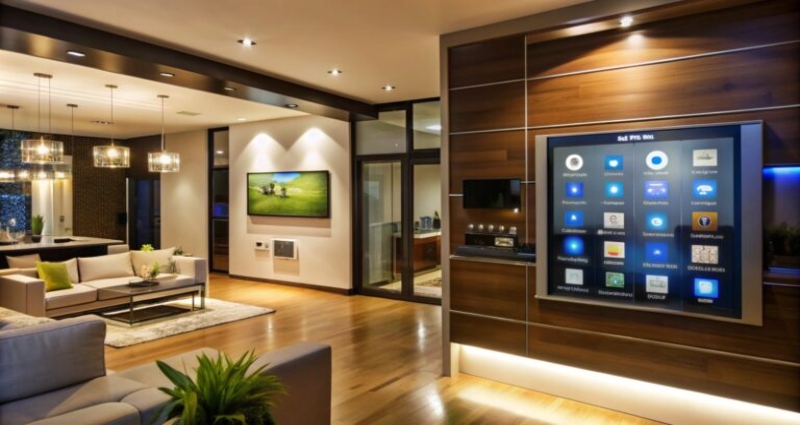
Technological advancements have transformed how interiors function. Smart systems allow lighting, temperature, and security to be controlled effortlessly. Integrated technology enhances comfort while remaining discreet. Interior design adapts to these innovations by concealing wires, incorporating multifunctional furniture, and planning flexible layouts. The challenge lies in balancing technology with warmth, ensuring that spaces remain human-centered rather than overly mechanical. When thoughtfully integrated, technology supports modern living without compromising aesthetic integrity.
Residential Interior Design and Personal Identity
Homes are deeply personal spaces that reflect the identities of those who inhabit them. Personal collections, artwork, and heirlooms add character and authenticity. Interior design in residential settings aims to create environments that feel uniquely tailored rather than generic. By understanding lifestyle patterns and emotional needs, designers shape spaces that support daily routines and personal expression. A well-designed home feels intuitive, welcoming, and deeply connected to its occupants.
Commercial Interiors and Experiential Design
Beyond homes, interior design plays a crucial role in commercial environments. Offices, hotels, and retail spaces rely on design to shape user experience and brand perception. Layouts influence productivity, while ambiance affects customer engagement. Successful commercial interiors balance aesthetics with operational efficiency, creating environments that support business goals while remaining comfortable and inspiring. Experiential design focuses on how people feel within a space, recognizing that emotion often drives behavior more than visual appeal alone.
Interior Design Trends and Timeless Principles

Trends offer inspiration and reflect current cultural shifts, but timeless principles ensure longevity. While colors, patterns, and styles may change, balance, proportion, and functionality remain constant. Interior design that relies solely on trends risks becoming outdated quickly. By grounding spaces in classic design principles, trends can be incorporated subtly without dominating the overall aesthetic. This approach allows interiors to evolve gracefully rather than requiring constant reinvention.
The Professional Design Process
The journey from concept to completion involves research, planning, and collaboration. Designers assess space, understand client needs, and develop cohesive concepts. Detailed drawings and material selections translate ideas into reality. Interior design professionals also coordinate with architects, contractors, and artisans to ensure consistency and quality. This structured process transforms abstract ideas into tangible environments that align with both vision and practicality.
Table: Core Elements That Shape Interior Spaces
| Element | Purpose | Impact on Experience |
|---|---|---|
| Space Planning | Organizes layout and flow | Enhances comfort and usability |
| Color and Texture | Defines mood and depth | Influences emotional response |
| Lighting | Supports visibility and ambiance | Shapes perception and atmosphere |
| Materials | Provide durability and character | Affects aesthetics and sustainability |
Table: Interior Design Approaches Across Settings
| Setting | Primary Focus | Design Outcome |
|---|---|---|
| Residential | Comfort and identity | Personalized living environments |
| Commercial | Function and branding | Engaging user experiences |
| Hospitality | Atmosphere and service | Memorable and immersive spaces |
| Workspaces | Productivity and wellness | Balanced professional environments |
The Future of Interior Design
Looking ahead, interior design will continue to evolve alongside societal changes. Flexible spaces that adapt to multiple functions are becoming increasingly important. Health-focused design emphasizes air quality, natural light, and biophilic elements. As lifestyles become more fluid, interiors must respond with adaptability and resilience. The future lies in creating spaces that are not only beautiful but also supportive, sustainable, and emotionally intelligent.
Conclusion: Designing Spaces That Matter
Interior design is ultimately about creating environments that enhance life. It combines art and science, emotion and logic, tradition and innovation. When thoughtfully executed, it transforms ordinary rooms into meaningful places that support well-being, productivity, and connection. By understanding its principles and purpose, anyone can appreciate how interior design shapes daily experiences and contributes to a more harmonious way of living.
Read More:- Interior Design Trends Shaping Modern Homes and Living Spaces