Art Deco Interior Design Style for Elegant and Timeless Spaces


Introduction
Art deco interior design is a dramatic way to show off wealth, development, and artistic assurance. This design trend came along during a time of significant industrial progress and cultural change. It combined craftsmanship, technology, and visual drama. It is different from minimalist or rustic styles because it uses symmetry, powerful shapes, and beautiful decoration. Even now, it inspires designers and homeowners who want their homes to look exquisite and strong at the same time.
This design style has held up well throughout time, unlike other styles that fade away. One of its best features is that it can change with the times while still keeping its unique personality. Art deco interior design has shown that style and comfort can go hand in hand in everything from fancy hotels and theaters to modern dwellings.
Historical Background and Cultural Roots
This design style goes back to the early 1900s, when the two global wars were going on. The 1925 Exposition Internationale des Arts Décoratifs and Industriels Modernes in Paris helped it become known around the world. This event showed off a new style that valued decoration and detail but didn’t like too much embellishment from older times.
The movement showed hope, advancements in technology, and a love of speed and progress. There were many other influences, such as ancient Egyptian art, Cubism, African patterns, and the smooth lines of modern machines. As cities grew and people’s lives changed, interiors started to reflect the confidence of a new era. This led to the growth of art deco interior design as a show of modern affluence.
Basic Ideas and Visual Language
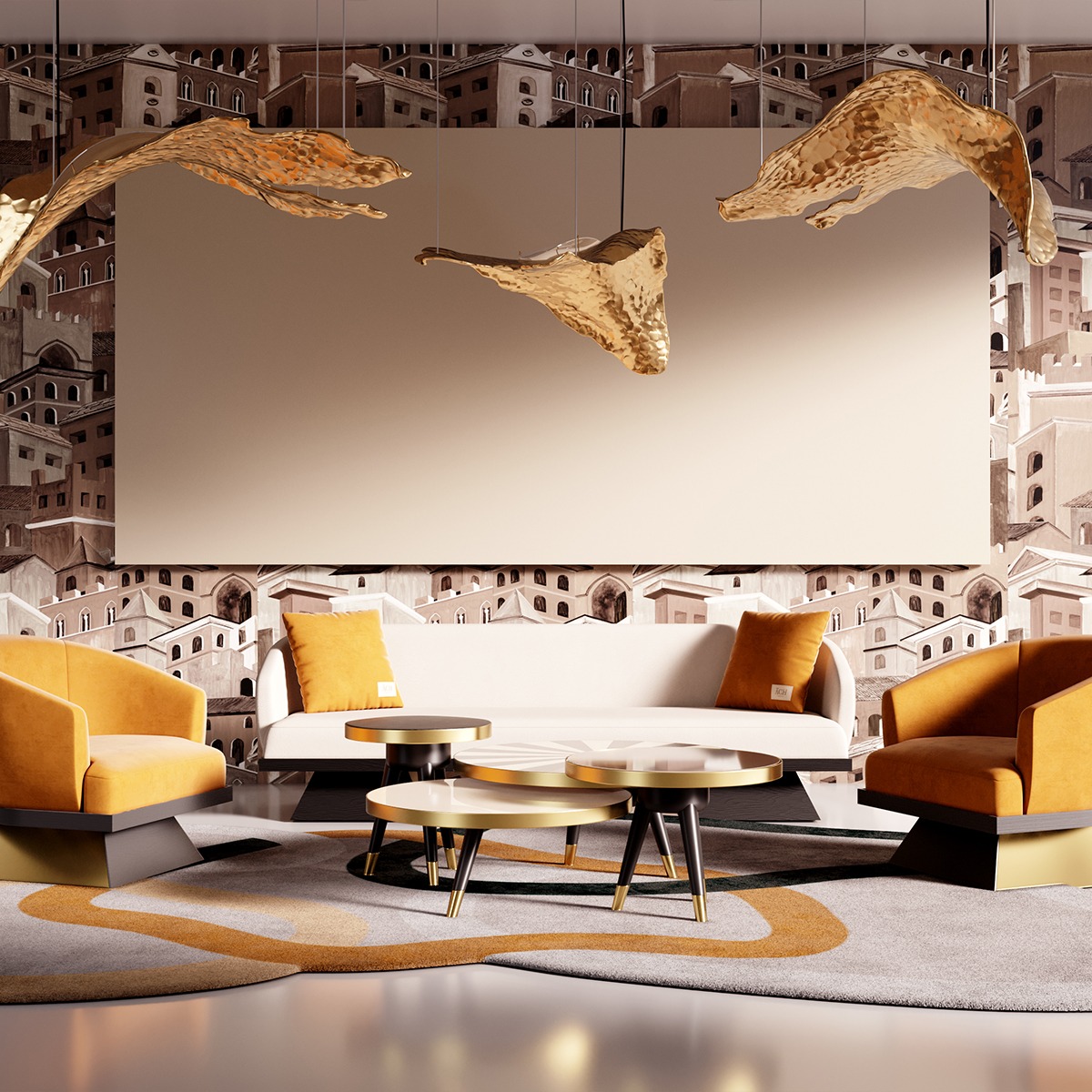
This design philosophy is all about balance, order, and making things look good. It has smooth lines and rich textures and finishes that make it stand out. Symmetry is very important, and you can see it in the way furniture is arranged, architectural features, and decorative elements. Repetition and ordered patterns are important parts of the visual language. They make homes feel planned and put together.
Instead than putting too much ornamentation in a room, the style focuses on carefully chosen elements. Every part has a reason for being there, whether it’s for looks or function. This careful approach makes sure that the inside of your home stays timeless, avoiding the cluttered look that many other forms of decoration tend to have.
Color Schemes and Material Selections
Art deco interior design is known for its use of color. There are often bold contrasts and dramatic combinations, but they are usually well thought out and controlled. You commonly see deep colors like emerald green, navy blue, charcoal gray, and rich burgundy with softer neutrals like cream or beige. Gold, brass, or chrome metallic embellishments make things feel more cozy and classy.
Materials are just as crucial. The look is mostly made up of rich materials like glass, lacquered wood, marble, and polished metals. These materials not only look good, but they also reflect light in a way that makes the space feel spacious and glamorous. The perfect balance between color and material is what makes places look deep and elegant.
Designing Furniture and Arranging Space
Furniture in this design is both useful and artistic. Pieces frequently have strong shapes, rounded edges, and smooth finishes. Upholstery is usually soft and velvety, which makes it comfortable without losing its shape. Sofas, armchairs, and tables are all made to make a statement while keeping the layout in harmony.
The way things are arranged in space is planned and symmetrical. Furniture is arranged to draw attention to architectural details and make the space feel balanced. This hierarchical layout makes the area feel welcoming and organized instead of stiff. Art deco interior design combines comfort and style in a way that looks natural by carefully placing everything.
Lighting as Part of the Design
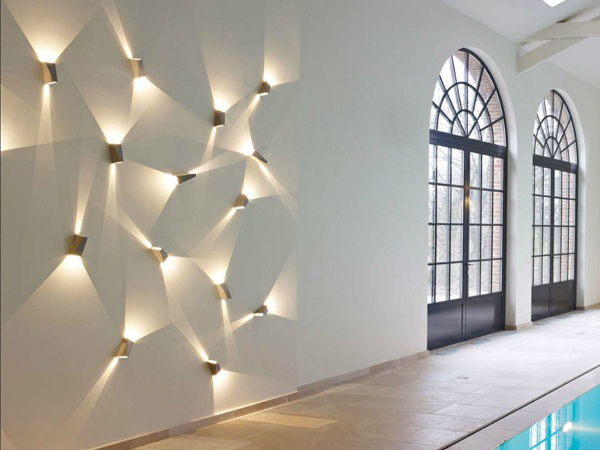
Instead of only being a utilitarian need, lighting is seen as a key design element. Fixtures typically become the main focus, showing off geometric designs and high-end finishes. Frosted glass, chrome, or brass parts are common in chandeliers, wall sconces, and table lamps.
The purpose of lighting in this approach is to make the space feel better and bring out the textures. Warmth comes from soft, diffused light, and brilliance comes from reflected surfaces. This precise lighting plan has a big effect on the entire ambiance, adding to the elegance that is a hallmark of art deco interior design.
Patterns, Motifs, and Decorative Touches
Patterns are a big part of this design approach. They add rhythm and visual appeal to rooms. Zigzags, chevrons, sunbursts, and stepped shapes are some of the most common patterns. These designs can be found on walls, floors, fabrics, and even ceilings. They offer layers of elegance without making the place feel too busy.
The decorative features are both dramatic and elegant. Mirrors with geometric frames, sculptural vases, and stylistic artwork make the story more interesting to look at. Each ornamental piece is chosen to fit in with the rest of the room, making sure that everything works together.
Comparing Art Deco Elements to Modern Interpretations
| Traditional Art Deco Elements | Modern Interpretations |
|---|---|
| Rich materials like marble and brass | Sustainable alternatives with similar finishes |
| Symmetrical layouts | Flexible symmetry adapted to open plans |
| Ornate lighting fixtures | Simplified geometric lighting designs |
| Bold contrasting colors | Muted palettes with metallic accents |
This change shows how the style stays useful by changing to fit modern needs.
Walls, Floors, and Architectural Features
Floors often have polished wood, marble, or patterned tiles that show off the style’s geometric nature. These surfaces are a sturdy base for the rest of the room, keeping bold furniture and decorations in place.
People use walls as canvases to express themselves. Textured wallpapers, lacquered panels, or soft metallic finishes give depth and personality. Architectural details like stepped moldings, curved corners, and ornamental trimmings add to the art deco style of the room and make it feel like it was planned and put together.
Art and Decor in Art Deco Spaces
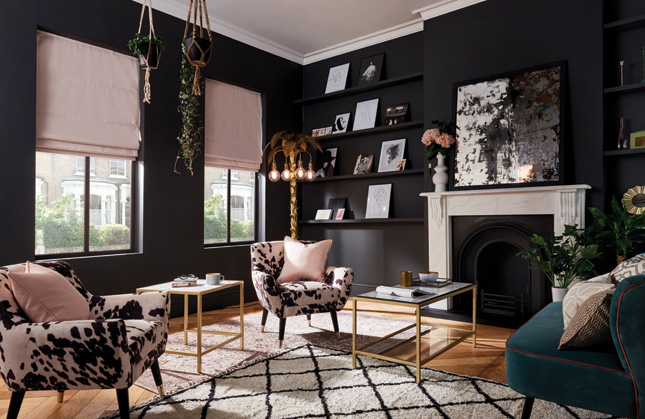
Art is an important part of what makes an interior space feel like home. Many pieces include stylized people, abstract compositions, or sceneries that show how glamorous and hopeful the time was. Frames are usually aggressive and geometric, which goes well with the rest of the look.
When choosing accessories, people pay more attention to quality than quantity. Sculptural pieces, colorful dishes, and statement clocks add to the area without making it feel cluttered. Art deco interior design strikes a balance between richness and restraint by carefully choosing styles.
Adding Art Deco to Modern Homes
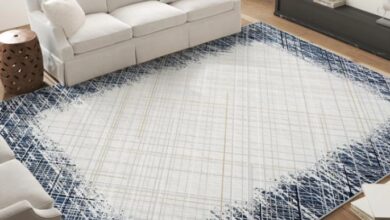
People typically employ this design style in modern homes to make interesting focal points. You may add the look without making the room feel too busy by using a single statement wall, a geometric rug, or a sculptural light fixture. This method lets homeowners keep a modern atmosphere while yet enjoying the beauty of art deco interior design.
This kind of selective integration is very helpful for open-plan living spaces. Structure and symmetry help distinguish distinct areas, making things easier to see. By combining old-fashioned features with modern conveniences, interiors become both fashionable and useful.
The Style’s Long-Lasting and Environmentally Friendly Qualities
One reason this design movement is still going strong is that it focuses on quality and long-lastingness. Well-made furniture and materials that never go out of style make sure that they last a long time, so you don’t have to replace them often. This perspective fits nicely with modern ideas about sustainability.
Homeowners can make their interiors look better over time by buying fewer but better-quality items. Art deco interior design is still popular today because it can stay relevant while still being different from other styles that come and go.
Table of Common Materials and How They Look
| Material | Visual Effect |
|---|---|
| Marble | Luxurious and timeless elegance |
| Brass | Warm metallic richness |
| Glass | Light reflection and openness |
| Lacquered wood | Smooth and polished sophistication |
Many classic and modern versions are based on these materials.
Effects on Emotions and Lifestyle
This style affects how people feel in a space, not just how it looks. The right amount of structure and luxury makes spaces that feel good and give you confidence. This kind of room design typically makes people want to rest, socialize, and appreciate good craftsmanship.
Living in a home that is influenced by art deco interior design can make you feel proud and at ease. The intentional design choices make rooms that are both spectacular and welcoming, which makes living better.
Conclusion
Art deco interior design is a strong proof that well-planned, well-made interiors will always be popular. Its mix of geometry, richness, and harmony still works well with modern life. Designers and homeowners may make environments that feel both timeless and modern by learning about the history, principles, and uses of design.
This design has unlimited ways to look attractive, whether you use it all the way or just add small touches. Art deco interior design will continue to inspire people for centuries to come since it may change while still keeping its essential identity.
Read More:- Interior Design Styles Explained: A Complete Guide for Modern Homes