Interior Design Trends Shaping Modern Homes and Living Spaces

Introduction
People’s lifestyles, attitudes, and hopes have long been mirrored in the rooms they live in. The idea of home has changed a lot in the last several years; it’s no longer only a place to sleep. It has turned into a place where people can be healthy, productive, creative, and emotionally stable. Because of this, interior design trends are no longer only about how things look; they are also about how well they work, how long they last, and how unique they are. These changes have changed how places are designed, furnished, and used.
The modern homeowner wants their home’s interior to feel planned out, not just pretty. Because of this change, there is more and more focus on aesthetics that are based on comfort, materials that have meaning, and layouts that can be changed to fit new habits. Now, interior design trends put the human experience first, paying as much attention to how a space feels as to how it looks.
The Evolution of Interior Design in the Present Day
Interior design has changed a lot throughout the years, from strict traditional layouts to more modern, experimental forms. In the past, homes had formal living rooms, distinct dining areas, and clear purposes for each room. Today, these differences are becoming less clear. Modern life promotes openness, interaction, and the ability to do several things at once.
Changes in technology and culture have also had an effect on how spaces are created. Because more people are working from home, residences increasingly have to meet both personal and professional needs. This change has directly affected trends in interior design, making designers reassess how rooms work during the day.
The outcome is a design philosophy that prioritizes being able to change. Spaces are no longer fixed; they can change based on mood, season, or situation. This way of thinking shows that design is more than just a finished product; it’s a live process.
The Rise of Comfort-Centered Spaces
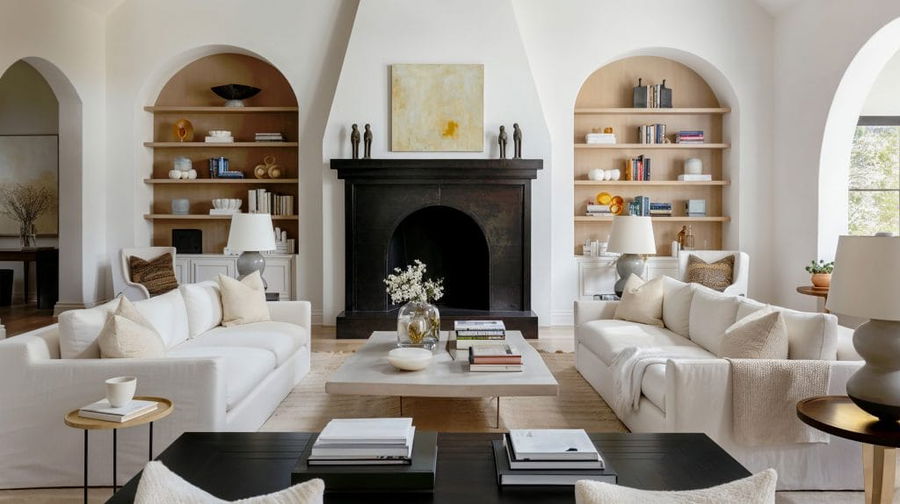
One of the biggest changes in interior design in the last several years has been a greater focus on comfort. This doesn’t imply giving up style or elegance; it just means changing the definition of luxury to encompass comfort and relaxation. Soft materials, comfortable seating, and layouts that make it easy to relax are all important parts of modern interiors.
Design that focuses on comfort puts a lot of emphasis on touch. Things like soft fabrics, furniture that supports the body, and lighting that is easy on the eyes all make you feel good. This change recognizes how interiors can affect mental health and how they might make people feel.
Homes are increasingly designed to feel like personal retreats. Living rooms are more about relaxing than hosting formal parties, bedrooms are more about sleeping than showing off, and even kitchens are become cozier and more inviting. These developments show how trends in interior design fit with the need for balance and peace in daily living.
Natural Effects and Materials That Are Organic
Another thing that makes modern interiors stand out is how strongly they connect to nature. Both designers and homeowners are using natural materials to make their homes feel warm and real. Wood, stone, clay, and natural fibers are all common materials for making spaces that feel grounded and peaceful.
This return to natural elements shows that people are becoming more mindful of being environmentally responsible and sustainable. Interior design trends increasingly choose materials that get better with age and tell a story as they do. People no longer try to hide flaws; instead, they cherish them as part of a material’s character.
Color palettes inspired by landscapes are likewise affected by nature. Modern interiors are generally made out of earthy tones, muted greens, soft browns, and warm neutrals. These hues make tranquil backgrounds that make rooms feel like they have always been there instead of being trendy.
Design is a Way to Express Yourself
Modern interiors are becoming more and more personal. Homeowners are mixing styles to make homes that show who they are instead of sticking to one style. This change has led to surroundings that are both varied and unified, where each part has a purpose.
Interior design trends currently urge people to express themselves through carefully chosen furniture, art, and other items. Instead of putting together matching items in a room, designers focus on balance and presenting a story. Each item tells a story that is based on your own life and ideals.
This method does not focus on flawless interiors. Instead, it values being unique and real. Homes feel like they are lived in and changing as likes and needs change throughout time.
Flexible Planning and Open Layouts
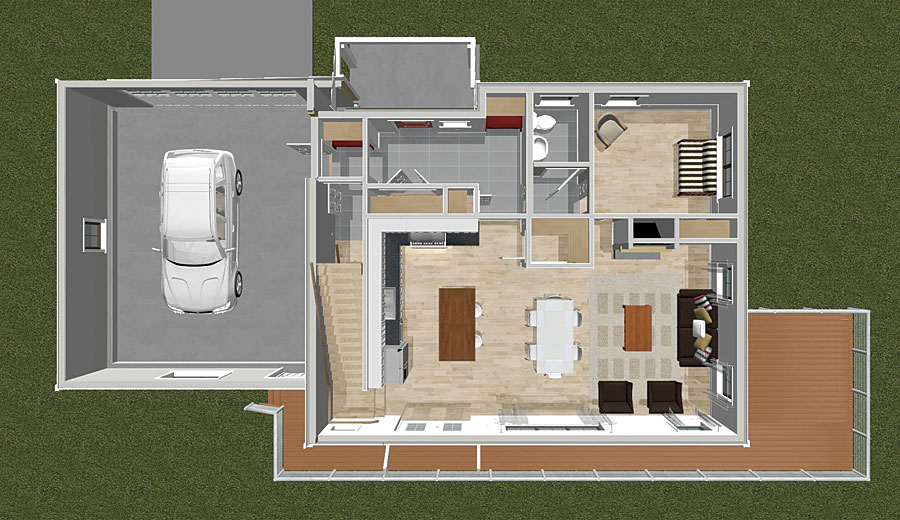
Open-plan living is still a defining element of modern homes, but it has changed since walls were just taken down. Today’s open design are carefully divided into zones that keep things working while also encouraging flow. Different zones in a shared room are defined by the placement of furniture, lighting, and small architectural details.
This design philosophy is all about being flexible. Rooms can be utilized for several things without becoming busy or confusing. A dining room can also be a place to work, while a living room can be a place to relax and have friends around. These adaptable layouts are made to fit modern ways of living.
Interior design trends focus on making spaces flexible, so houses can still work even when patterns alter. This progressive method lets interiors change as the people who live in them do, instead of becoming out of date.
What Color Means in Modern Interiors
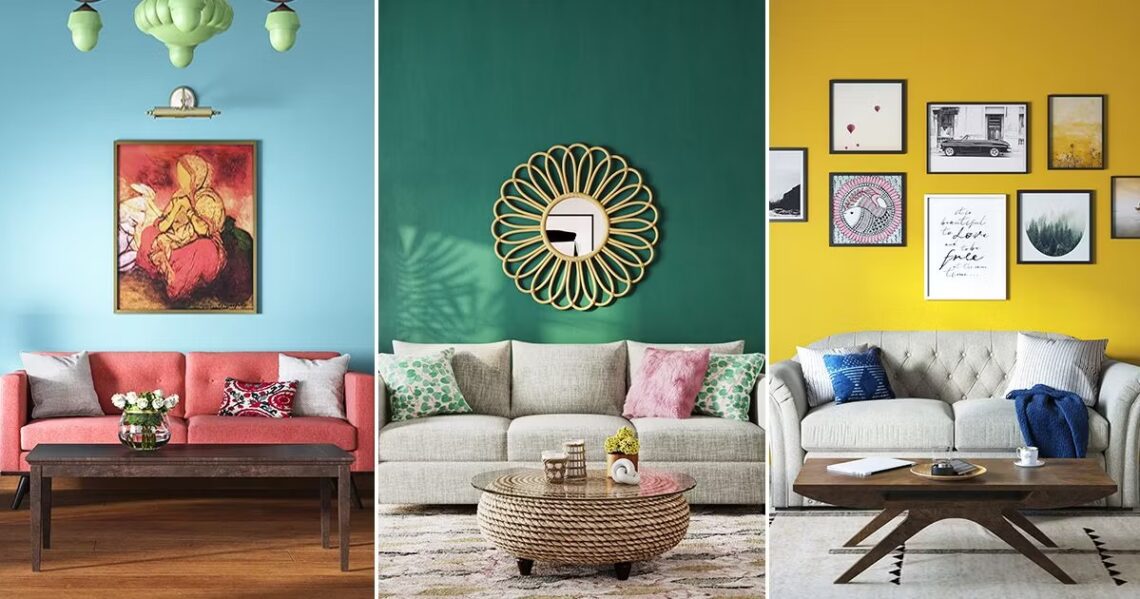
Color has a strong effect on how people feel and see things in a space. Recent trends in interior design advocate using color in a strategic way over making dramatic statements just for the sake of it. A lot of the time, neutral bases are matched with modest accents that make the space more interesting and full.
Warmer neutrals have becoming more fashionable than bright whites. These colors make spaces feel warm and inviting, as if they’ve been lived in. Accent colors are employed on purpose to draw attention to architectural details or to make things look balanced.
The focus is on harmony, not conflict. The colors you choose should make you feel well, which supports the idea that interiors should be good for your health as well as look good.
Designing Furniture that is Both Beautiful and Useful
Designing furniture has changed to focus on things that are both beautiful and useful. Modern furniture has clean lines, shapes that are comfortable to sit in, and materials that last. Too much decoration has been replaced by simple, sensible designs.
Trends in interior design focus on furniture that can be used in numerous ways. More and more people are choosing modular seats, tables that can be expanded, and storage solutions that can be used for more than one thing. These pieces let you live in a flexible way without losing style.
This emphasis on utilitarian beauty shows a wider trend of valuing quality over quantity. A space feels clearer and more purposeful when it has fewer, well-chosen pieces.
Lighting as a Design Feature
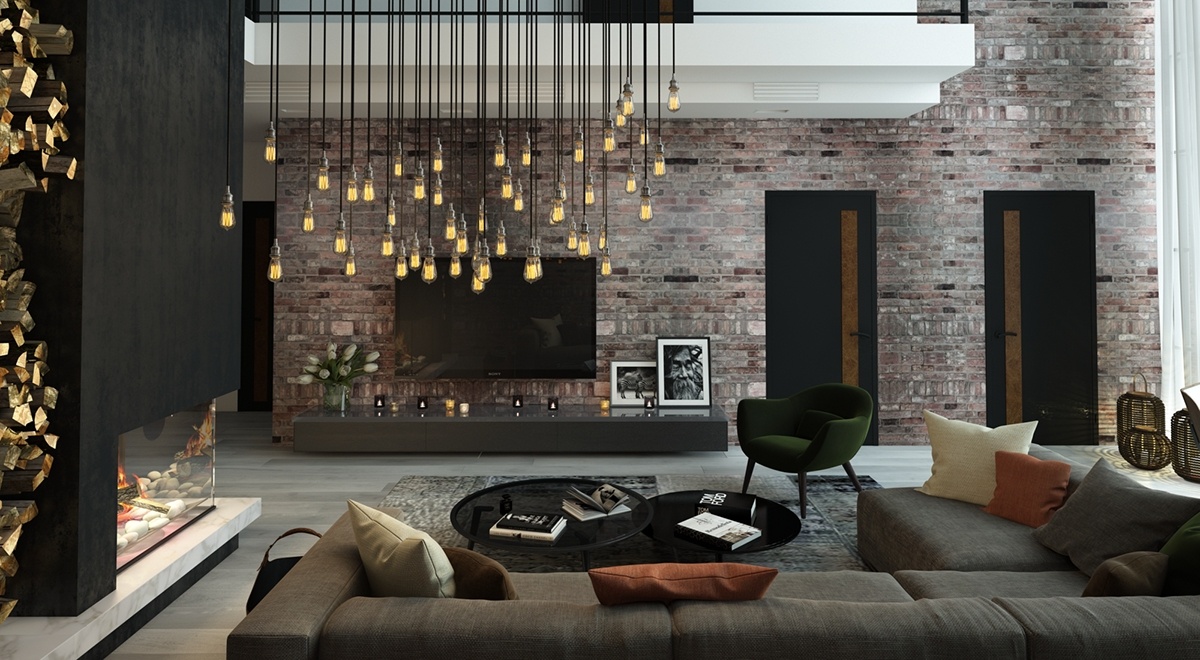
Lighting is becoming an important part of telling stories inside. Modern interiors use tiered lighting instead of just one overhead light to set the mood and make the space more useful. Ambient, task, and accent lighting all work together to make a space more enjoyable.
Trends in interior design stress how important natural light is wherever feasible. Big windows, shiny surfaces, and open floor plans let in a lot of natural light, which means you don’t have to rely on lights. When artificial light is employed, it is chosen with care to match the room’s mood.
People typically think of lighting fixtures as works of art. Their design helps define the look of a space while also performing a useful purpose.
Making Choices that are Good for the Environment and People
Sustainability is no longer just a niche issue; it’s a main subject in modern interiors. More and more homeowners are thinking about how their actions affect the environment. This knowledge has had a big effect on trends in interior design.
Sustainable design is about making things that last, not something that can be thrown away. We choose materials that will last and develop arrangements that will still work after a long period. This method cuts down on waste and encourages people to use things responsibly.
Conscious design also includes making sure that energy use is low and the air within is clean. Interiors are made to help people live healthier lives by carefully choosing materials and ways to ventilate.
Adding Depth with Textures and Layers

Adding texture to neutral environments has become a very important way to make them more interesting. Designers make rich, tactile spaces that feel dynamic without being too much by putting diverse materials and finishes on top of each other.
Trends in interior design suggest mixing smooth and rough surfaces, as well as soft and structured things. This difference makes rooms more interesting and welcoming by adding depth and intricacy.
Textures also make things more comfortable and cozy. Spaces that feel cozy and personal are made with soft fabrics, natural finishes, and hand-crafted embellishments.
Cultural Influences and Ideas from Throughout the World
Global design trends are still having an effect on modern interiors. Instead of copying styles from other cultures, designers get ideas from them and make them work in current settings. This method makes places that feel both worldly and solid.
A growing regard for craftsmanship and heritage can be seen in the trends in interior design. Handmade items, artisanal finishes, and cultural patterns give rooms character and make them feel real.
This global view promotes respect for different design languages while still allowing for creative expression. It strengthens the notion that rooms mirror collective human experiences.
Putting Technology into Living Spaces
Modern rooms have become seamless with technology. Instead than taking over the visual environment, technology is used in small ways to make things more comfortable and convenient.
Design trends for the inside of homes focus on clean looks that hide wires and gadgets. Smart systems are made to blend in with the background and help with daily tasks without ruining the look of the space.
This careful integration makes sure that technology improves the entire design experience instead of making it worse.
How Important It Is to Be Balanced and Harmonious
A need for balance is at the heart of modern interiors. Proportion, scale, and careful composition all work together to make this balance. Each part has a role to play in making the overall thing work.
Trends in interior design stress the need for beauty and usefulness to work together. Spaces are made to seem natural and easy to use, so they can support daily tasks while still looking good.
This method makes interiors that are not only gorgeous but also quite comfortable to live in.
A Comparison of Old and New ways of Decorating the Inside of a Home
| Aspect | Traditional Interiors | Modern Interiors |
|---|---|---|
| Space Planning | Clearly defined rooms | Open and flexible layouts |
| Material Use | Ornamental finishes | Natural and sustainable materials |
| Color Palette | Rich and formal tones | Soft and neutral hues |
| Furniture Style | Decorative and heavy | Minimal and functional |
Important Things that affect Interior Design Nowadays
| Design Element | Primary Influence |
|---|---|
| Layout | Lifestyle flexibility |
| Materials | Sustainability awareness |
| Lighting | Mood and functionality |
| Furniture | Comfort and adaptability |
The Future of Interior Spaces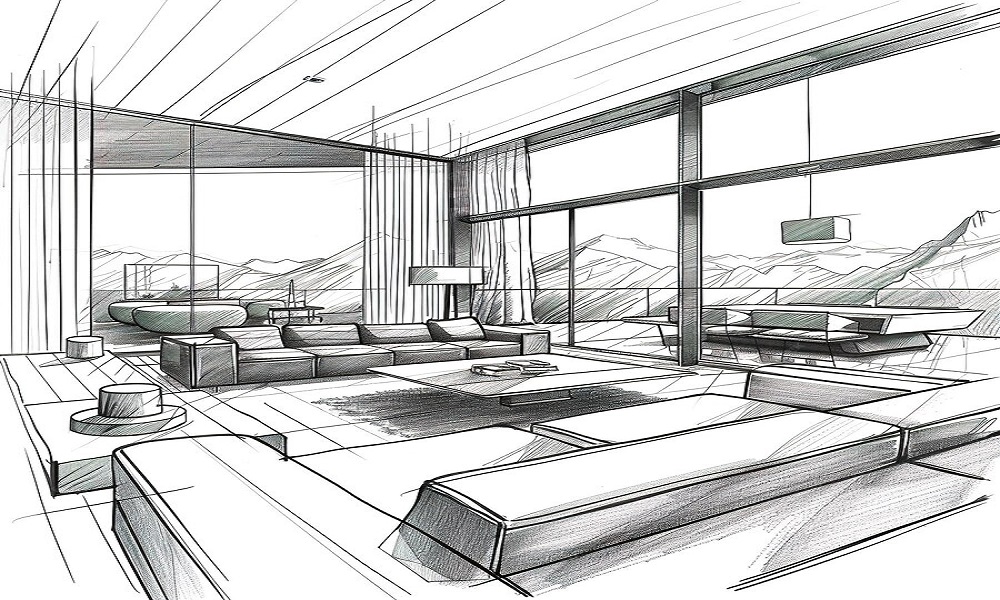
As lifestyles and beliefs change, interior spaces will keep adapting to keep up. Future trends in interior design will probably put even more emphasis on wellness, sustainability, and individuality. Homes will be able to change much more to meet both emotional and technological needs.
Design will put more and more emphasis on good experiences instead of too much visual stimulation. Intent will shape interiors, showing a desire for meaningful living spaces that support both uniqueness and community.
Conclusion
There are no longer strict standards or short-lived trends that define interior spaces. Instead, they are shaped by careful choices that show how individuals work, live, and rest. Today’s trends in interior design focus on comfort, authenticity, and harmony. This makes spaces that feel both ageless and responsive.
The home is still a strong statement of personal values and goals as design changes over time. By using intentional design concepts, modern rooms can not only be beautiful, but they can also make you feel more connected and better.
Read More:- Swiss Coffee Benjamin Moore: Warm Neutral Paint Guide Trends Hues