What Is Interior Design Meaning Process Styles Explained Today UX

Introduction
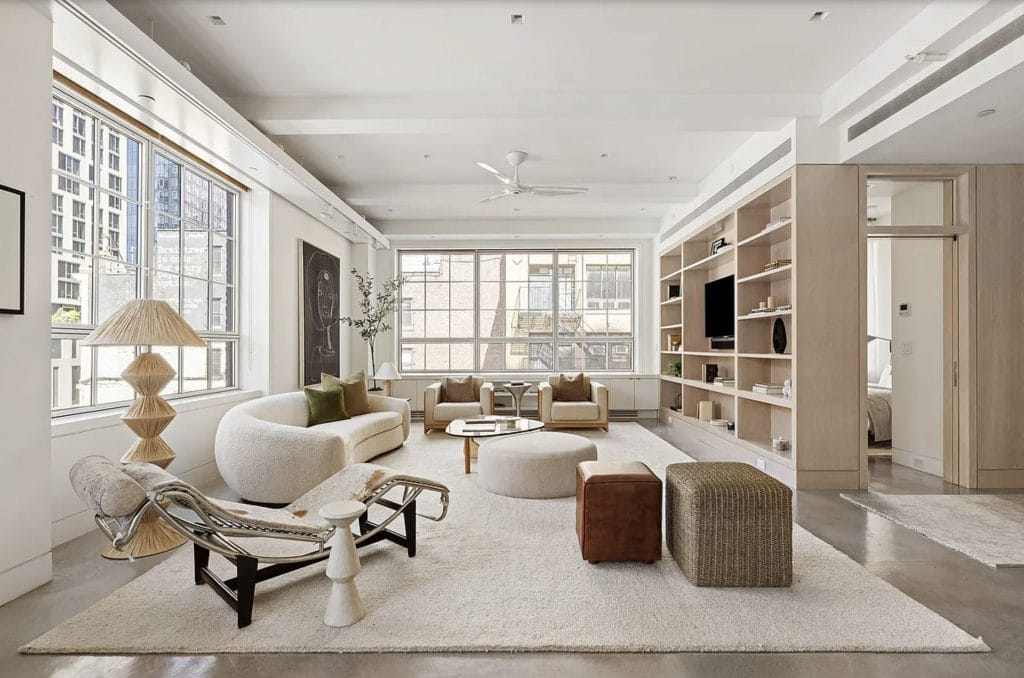
The way individuals live, work, relax, and connect with each other is affected by the places inside. The way that rooms are set out can have a direct effect on comfort, productivity, and mental health, whether they are in homes, businesses, hotels, or hospitals. People often want to know what is interior design and why it is so important in everyday life. Interior design is not only about choosing pretty furniture or decorating; it is a disciplined and intelligent field that combines creativity, usefulness, and human requirements.
Interior design has changed over time with architecture, culture, and technology. What started as a simple way to build a shelter has turned into a professional specialty that combines art, science, and psychology. Today’s designers need to think about how people move through rooms, how light and materials may change a person’s mood, and how designs can help people live in a way that is good for the environment. To really understand this area, you need to delve past the surface beauty and into the deeper rules that influence judgments about spatial planning and design.
What is the Idea of Interior Design
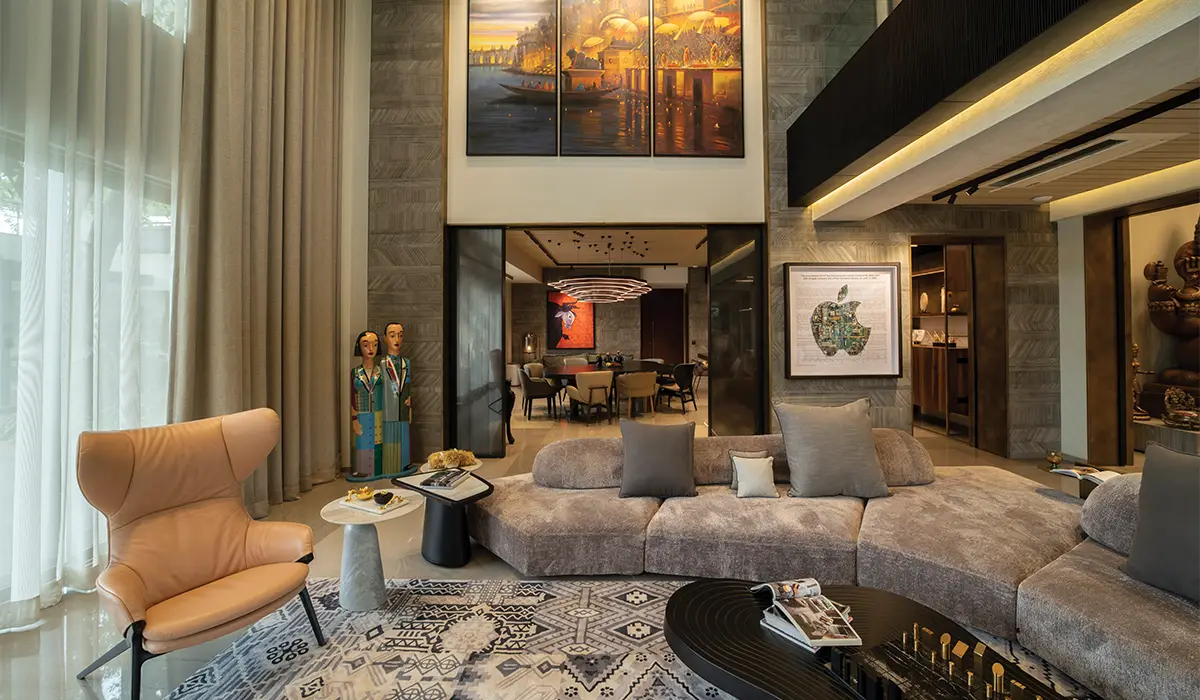
To completely comprehend the field, you need to look at what is interior design in a professional and practical way. Interior design is the art and science of making the inside of a building better so that the people who use it have a healthier and more attractive space. This definition emphasizes two key elements: originality and utility. A well-designed interior should appear good, but it should also be functional for its intended use.
Interior designers look at how spaces are arranged, choose colors, materials, furniture, lighting, and finishes, and make sure that everything works together. They also think about safety requirements, building codes, and how things should be set up for comfort. This organized method clearly shows that interior design is not just decoration; it is a serious profession in the field of applied design.
The Importance and Purpose of Interior Design
Interior design is about more than just making things look nice. One of its key purposes is to make living better in a space. Well-planned interiors can help you feel better, work more efficiently, and be more comfortable. People start to see how much interior design affects their daily lives and long-term health when they learn what it is.
Interior design makes homes that show off who you are and let you relax and spend time with your family. In businesses and institutions, it makes things run more smoothly, strengthens the brand, and improves the customer experience. Interior design is used by hospitals to help people heal, by schools to help people learn, and by businesses to help people work together and stay focused. These different uses show what is interior design affects many parts of society.
The History of Interior Design
The history of interior design is long and varied, showing how culture and technology have changed over time. In ancient cultures, the insides of buildings were meant to show power, spirituality, and social rank. Egyptian interiors had fancy ornaments and hues that meant something, while Greek and Roman interiors focused on balance, proportion, and harmony.
During the Middle Ages, social and economic changes made interiors more useful. They had heavy furniture and little decorations. The Renaissance brought back art and style to homes, bringing back beauty and refinement to rooms. Different trends, such Baroque, Rococo, and Neoclassicism, changed the way people thought about the inside of buildings over time.
The modern age was a turning point when designers started to think about what is interior design means in the context of mass production and industrialization. This time put a lot of stress on new materials, simplicity, and usefulness, which set the stage for modern interior design.
Basic Parts of Interior Design

There are a few main things that interior design uses to make places that are balanced and useful. These parts are space, line, shape, light, color, texture, and pattern. Every part has a specific job to do in making the inside feel and work the way it does.
Space is the physical limits of a room and how it is set up. Line helps the eye see things and gives shapes to things in the area. Form has to do with how three-dimensional things and structures seem. Both natural and artificial light can change your mood and how well you can see. Color sets the mood, while texture and pattern make things more interesting and give them more dimension. Knowing these things helps you understand what is interior design at its most basic level.
Principles That Help with Interior Design
Interior design is based on ideas that make sure everything works together and is in harmony. Designers use important ideas like balance, rhythm, focus, proportion, and unity in every project. Balance makes things look stable, whether they are symmetrical or not. Repetition and contrast create rhythm, which makes things move. Emphasis brings attention to the most important parts, while proportion makes sure that all the parts work well together.
Unity brings all the parts together into one whole. When these rules are followed correctly, the inside of a building feels planned and cozy. They help explain what is interior design by illustrating how careful planning can turn empty spaces into places with purpose.
Interior Design vs. Interior Decoration
People often think that interior design and interior decoration are the same thing. They are different fields, yet they do have some things in common. Interior design is mostly about how things look, like furniture, materials, and accessories. Interior design, on the other hand, requires more forethought, such as figuring out how to arrange the space, how the structure will work, and what the space needs to do.
When learning about interior design, it’s important to know this difference. Designers typically work closely with architects and engineers, especially on big projects, to make sure that the interiors fit with the building systems and the demands of the people who will be using them. One component of the process is decoration, but it doesn’t cover the whole field.
The Process of Interior Design
There is a set order of phases that make up the interior design process. These steps take a project from idea to completion. It starts with figuring out what the client wants, needs, and can afford. After that, designers look at the room, come up with ideas, and make layouts that meet the needs of the space.
After this first planning process, you can choose the materials, colors, lighting, and furnishings. Detailed drawings and specifications make guarantee that the work is done correctly. The last step is to supervise the installation and make any necessary changes. This methodical approach shows that interior design is a professional field, not just a fun hobby.
Table 1: Important Parts and What They Do in Interior Design
| Element | Role in Interior Design |
|---|---|
| Space | Defines the physical area and movement |
| Light | Enhances visibility and mood |
| Color | Influences emotional response |
| Texture | Adds depth and tactile interest |
| Form | Shapes three-dimensional objects |
Trends and Styles in Interior Design
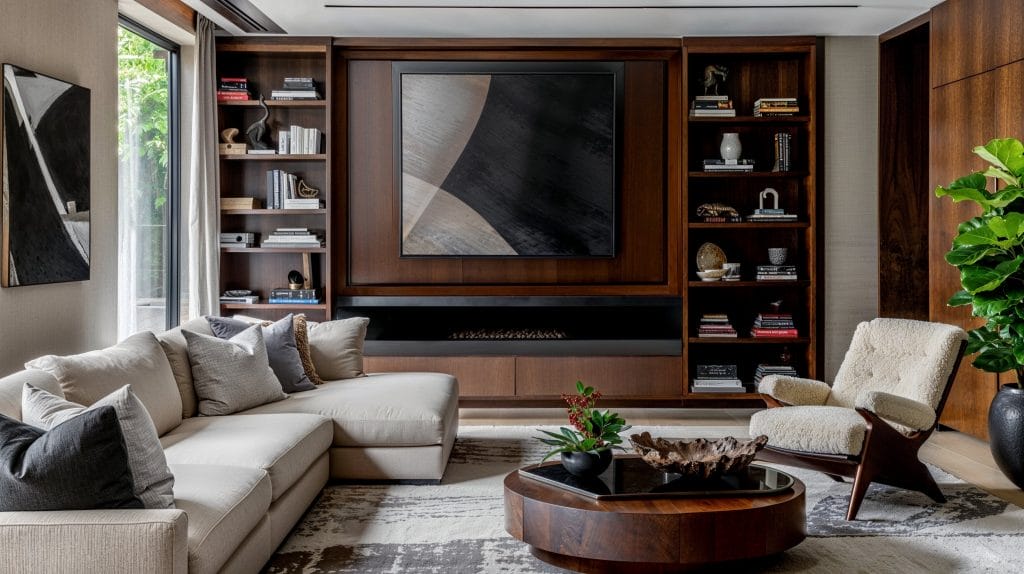
There are many different forms of interior design, and each one has its own traits and cultural influences. Traditional styles take cues from the past and focus on detail and decoration. Modern styles are all about being simple, having clear lines, and being useful. Modern design takes into account current trends and typically mixes features from different styles.
Minimalist, industrial, Scandinavian, and eclectic design are other prevalent styles. Every style has its own way of using space and materials. Looking at these styles helps us understand that interior design is a flexible and varied field that changes with people’s tastes and ways of life.
What Interior Designers Do in Today’s World
Interior designers are very important for making buildings that are comfortable to live in. They need to find a balance between their artistic ambitions and practical ones like sustainability, accessibility, and using technology. Designers often work with clients, contractors, and suppliers to make sure things go well.
Interior designers today also think about things like health and the environment. It’s becoming more and more necessary to use eco-friendly materials, energy-efficient lighting, and biophilic design principles. These duties broaden the meaning of interior design and show how important it is for solving modern problems.
Table 2: How to Use Interior Design in Different Spaces
| Space Type | Primary Design Focus |
|---|---|
| Residential | Comfort and personal expression |
| Commercial | Brand identity and efficiency |
| Healthcare | Healing and safety |
| Educational | Learning and engagement |
| Hospitality | Experience and ambiance |
Interior Design Technology and Innovation
Technology has changed how people do interior design. Digital tools let designers make precise representations, which let clients see how spaces will look before they are built. Smart home technologies, better lighting controls, and new materials have made it possible to design in new ways.
These new technologies change what is interior design means in the digital age. Designers need to keep up with emerging technology while also keeping a firm understanding of design basics. This mix of old and new ideas keeps the profession moving forward and changing.
How Interior Design Affects Your Mind
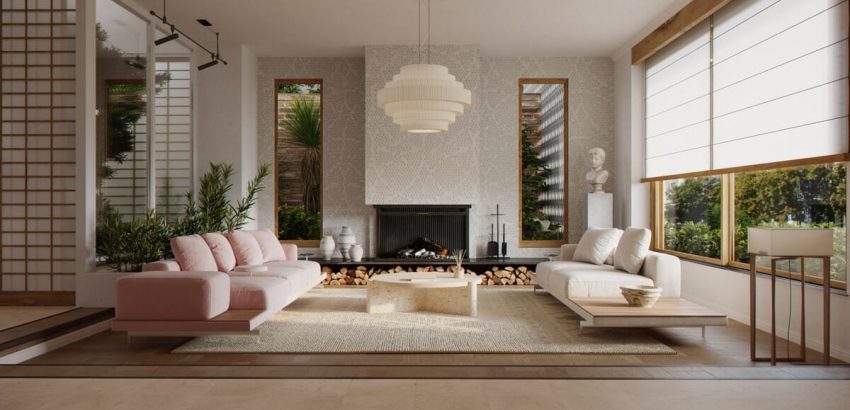
The inside of a building has a big effect on the people who live there. Color choices may change your mood, lighting can change your energy level, and the way the space is arranged can make people more likely to talk to each other or keep to themselves. Designers typically use environmental psychology to make settings that are good for mental and emotional health.
Designers can make spaces that feel natural and comfortable by studying how people act. This part goes into more detail on what is interior design as a field that looks at both the physical and emotional aspects of space.
Sustainable and Ethical Design Practices
Sustainability is now a big deal in interior design. Designers are paying more and more attention to making interiors that last, employing materials that are good for the environment, and cutting down on waste. Ethical design methods also take into account fair labor, being aware of other cultures, and being open to everyone.
These things make the definition of interior design bigger. It shows that it’s not just about making things look good; it’s also about being responsible. Sustainable interiors are good for both the people who live in them and the environment. This is a big priority for the future of the profession.
The Future of Interior Design
Changing lifestyles, new technologies, and problems around the world are all shaping the future of interior design. More and more, people are using flexible living spaces, working from home, and designing settings that promote health. Designers will keep adapting to new needs while staying true to their promise of quality and originality.
The answer to the question “What is interior design?” will change as society changes. The field will continue to be an important component of how people engage with the places they live and work.
Conclusion
Interior design is a field that blends art, science, and an understanding of people to make rooms that are useful. It affects how individuals feel, work, and live in the places they reside. You can learn to appreciate the profession more by looking into its history, concepts, methods, and effects.
In the end, learning about interior design helps us see how important it is for our daily lives and long-term health. It’s not only about how things look; it’s also about making environments that are intelligent, useful, and inspiring for life.
Read More:- Art Deco Interior Design Style for Elegant and Timeless Spaces