
Introduction
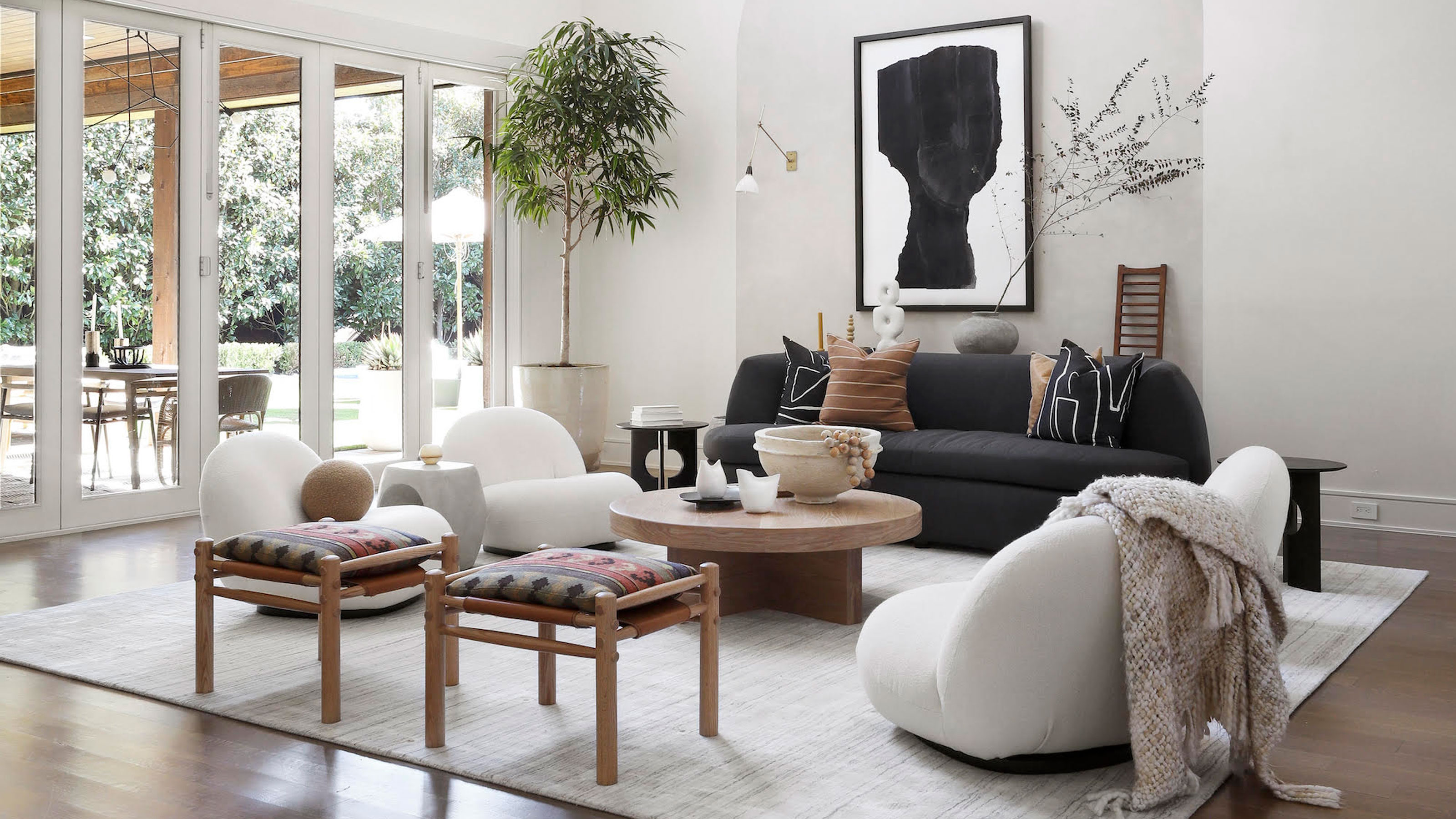
Interior design styles tell you how rooms should look, feel, and work. They affect the colors, shapes, materials, lighting, and even how people feel about a room. Design styles have changed over time because of changes in culture, technology, the weather, and how people act. Anyone who wants to make interiors that look well, work well, and show off their personality needs to know about these trends. This guide goes into great detail on different styles of interior design, including where they came from, what they look like, and how they are used now.
Learning About Different Styles of Interior Design
Interior design styles are ways to plan and decorate the inside of a building. Each style has its own design language that incorporates certain shapes, textures, color palettes, and ways of arranging space. These styles aren’t strict laws; they’re more like guidelines that help designers and homeowners make decisions that work well together. Styles of interior design often come from historical movements, regional influences, or changes in lifestyle. They also vary as society changes.
A clear style makes sure that everything in a space looks well together. The room feels planned when the furniture, finishes, and architectural features all go together in the same style. Different forms of interior design can also change how a place works, making it feel formal or casual, open or cozy, active or peaceful.
The History of Different Styles of Interior Design
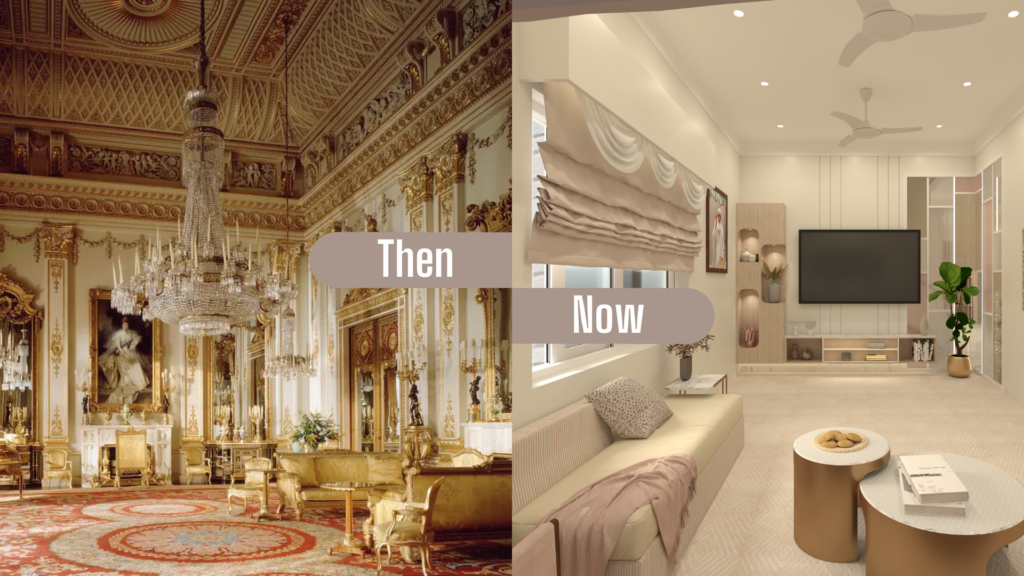
The evolution of interior design trends originates from ancient civilizations. Necessity, environment, and the resources that were accessible molded early interiors. As cultures grew, interiors became signs of authority, culture, and art. Styles changed over the years from extravagant and symbolic to functional and minimalist, showing how values changed.
During the Renaissance, symmetry and proportion were important. Later styles focused on decoration and skill. Mass manufacture came about because of industrialization, which made interiors easier and more useful. In the present age, types of interior design find a balance between looks, comfort, sustainability, and technology.
Styles of Classical Interior Design
Classical styles are based on design rules that have been around for a long time. They focus on balance, symmetry, and beauty, and they typically get ideas from old Greek and Roman buildings.
Rich wood tones, intricate moldings, and elegant furniture are common in traditional interiors. The colors are usually warm and soft, which makes you feel comfortable and sophisticated. Many pieces of furniture are symmetrical and have lots of small details. This way of thinking about interior design ideas is great for people who like classic beauty and history.
Neoclassical interiors keep the elegance of classical styles while making them simpler. This style is characterized by clean lines, simple decorations, and color schemes that are neutral. Neoclassical spaces are magnificent but not too flashy, which makes them a good choice for modern homes that desire a sense of tradition without too much adornment.
Styles of Modern Interior Design
Modern design came about in the early 1900s as a reaction to industrialization and changing ways of living. It puts a lot of focus on functionality, simplicity, and clean lines. Modern rooms don’t have a lot of extra decorations and instead focus on form following function.
Some of the most important qualities include neutral colors, open layouts, and lots of natural light. Furniture is stylish and useful, and it is generally constructed of metal, glass, and polished wood. Modern design is noted for being clear and efficient, which makes rooms feel open and uncluttered.
Mid-century modern is a big part of modern design. It has utilitarian furnishings and warm materials that work well with organic shapes. This design strikes a balance between minimalism and comfort, making rooms that look good and are comfortable to live in.
Modern Styles of Interior Design
Contemporary design is always changing and reflects the present. Modern design relates to a certain time in history, although contemporary interiors change with the times and new technologies.
This style is all on being flexible, having clean lines, and using a mix of materials. A lot of the time, bright accents are used with neutral bases to make things look more interesting. Common aspects include open areas, creative lighting, and smart technology. Contemporary design is one of the most adaptable and relevant types of interior design.
Minimalist Styles for Interior Design
Minimalism is about living simply and on purpose. It simplifies interiors by getting rid of extra decorations and clutter. Spaces are defined by straight lines, open layouts, and a small number of colors.
Minimalist interiors are mostly white, beige, and light gray, which makes them quiet and clear. The furniture is useful and doesn’t get in the way, and the ornamental items are picked with care. People that value order, attention, and visual calmness like this way of designing the inside of a house.
Styles of Industrial Interior Design
Factories, warehouses, and urban lofts are all places that industrial design gets ideas from. It honors raw materials and parts of buildings that are not covered up. Some typical elements are brick walls, concrete flooring, and metal fittings that may be seen.
Most colors are muted and earthy, which adds to the rustic look. The furniture is made of both metal and wood, which makes it strong and simple. Industrial interiors are bold and honest, which makes them one of the most unique choices for urban spaces.
Styles of Scandinavian Interior Design
Scandinavian design comes from Nordic countries and is based on a way of life that values comfort, usefulness, and being close to nature. This style focuses on rooms that are full of light, basic shapes, and materials that are found in nature.
White walls, light wood floors, and soft fabrics make the inside feel pleasant and open. Furniture is both useful and attractive, and it is made to be used every day. Scandinavian interiors show how easy it is to find a style that is both beautiful and useful.
Styles of Rustic Interior Design
Rustic rooms show off natural textures and old-fashioned craftsmanship. This design commonly uses wood, stone, and handmade things to make a cozy and welcoming space.
The colors are based on nature, like browns, greens, and warm neutrals. The furniture is strong and often worn, which gives it character and makes it look real. Rustic interiors feel stable and cozy, and they make you feel connected to nature on a deep level.
Styles of Bohemian Interior Design
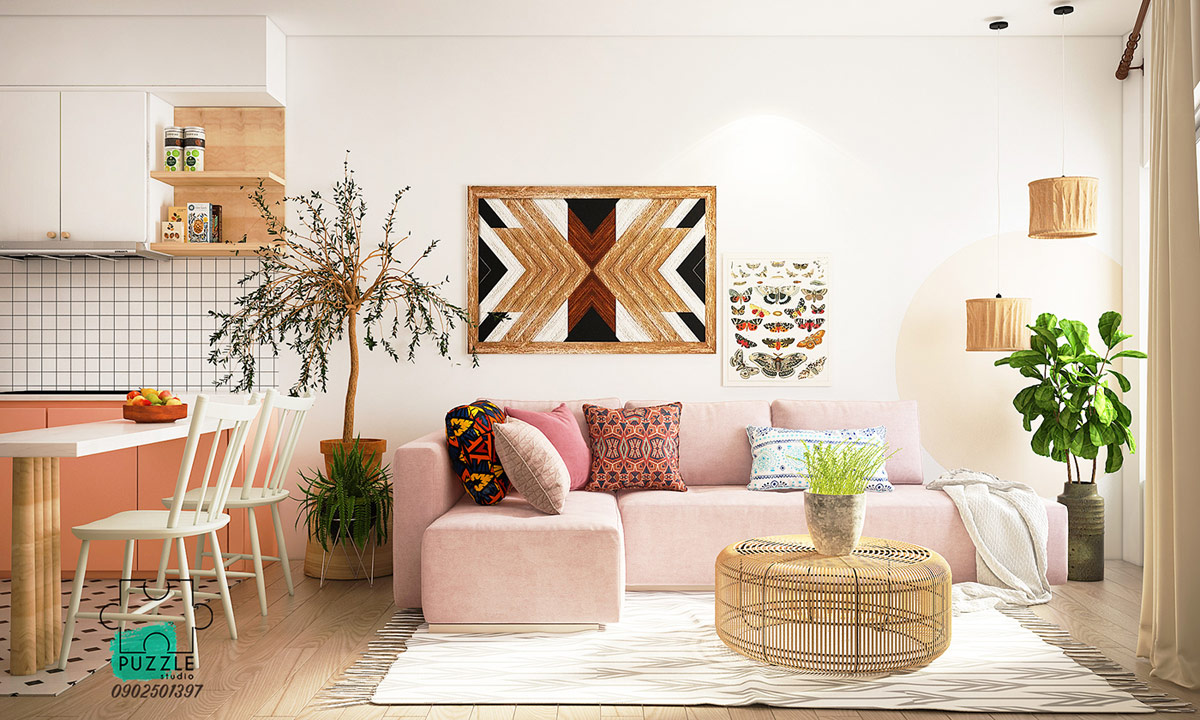
Bohemian design is creative, free-spirited, and expressive. It values innovation and individuality above harsh constraints. This style is all about layers of textures, bright colors, and influences from around the world.
Collecting furniture and decorations over time gives a room a lived-in and personal sense. Patterns, fabrics, and handmade things give the room more depth and warmth. Bohemian design is the most free-spirited type of interior design.
Styles of Coastal Interior Design
Coastal interiors are based on living near the sea and getting lots of natural light. They stress spacious spaces and relaxing elegance. Colors like white, blue, and sandy beige make the room feel tranquil.
Wood and linen are examples of natural materials that make you feel more connected to nature. The furniture is casual and comfy, which fits with a relaxed way of living. Coastal design highlights how different forms of interior design may make you feel a certain way or take you to a certain place.
Styles of Transitional Interior Design
Transitional design mixes old and new styles to make rooms that are balanced and can be used in many ways. It has a timeless look since it mixes classic shapes with modern finishes.
Neutral colors give a quiet base, and little textures make things more interesting. The furniture is both stylish and useful, which makes it appealing to a lot of people. Transitional interiors show how different forms of interior design may come together to fit changing tastes.
Different Styles of Interior Design
Eclectic design combines parts from several styles to make a single, unified look. To avoid visual chaos, you need to carefully balance and choose what you want.
There are different colors, textures, and shapes, but a common motif keeps everything in sync. Eclectic interiors are very personal since they show off your personality and inventiveness. This method shows how adaptable different forms of interior design can be in private areas.
Color’s Role in Different Styles of Interior Design
Color is a very important part of defining different styles of interior design. It has an effect on emotion, perception, and how we experience space. Warm colors make people feel close and energized, while cool colors make people feel peaceful and open.
Each style has its own color scheme that helps define it. Designers can make spaces that fit with their intended function and emotional impact by understanding color psychology.
Furniture and Materials Used in Different Styles of Interior Design
Choosing the right furniture is an important part of creating a design style. The overall look of a room is greatly affected by the shape, size, and substance of the furniture.
Natural materials are common in traditional and rustic rooms, although metal and glass are more common in modern and industrial areas. The materials you choose can change how long they last, how comfortable they are, and how good they seem, which makes the diverse styles of interior design stand out even more.
Lighting and Planning the Space in Different Styles of Interior Design
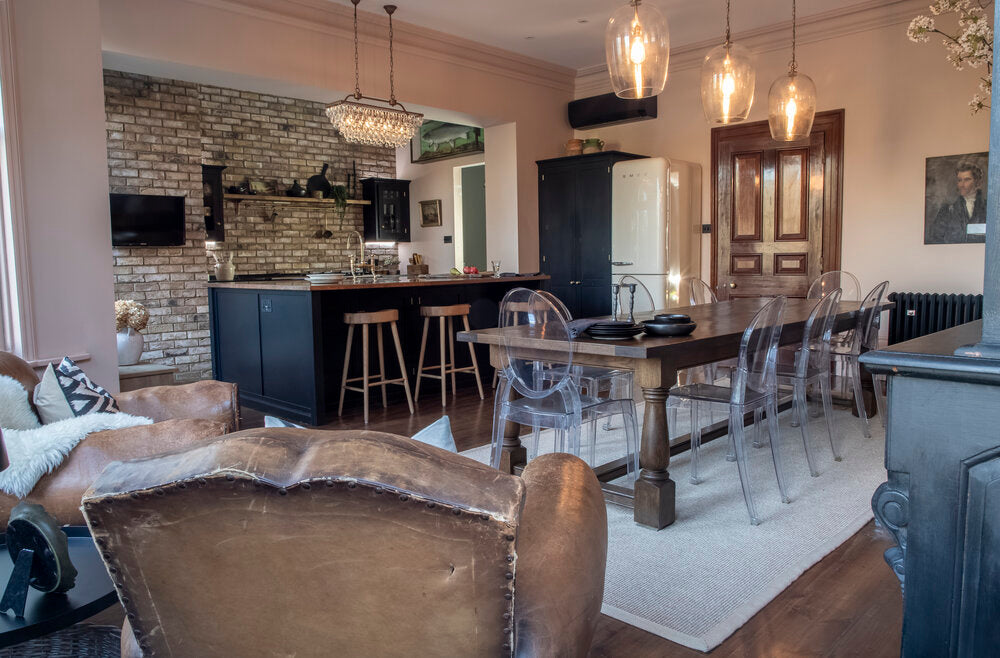
Lighting makes things work better and sets the mood. Many styles respect natural light, whereas artificial light is utilized on purpose to accentuate details and set the mood.
Spatial planning makes sure that things can move about and be used easily. Open layouts work well with modern and contemporary decor, while classic forms generally partition spaces. Good planning shows how different forms of interior design may change how people feel about areas.
Modern Interior Design Styles that are Good for the Environment
Sustainability is becoming more and more significant in interior design. Many styles today use eco-friendly materials, lighting that uses less energy, and furniture that lasts a long time.
Designers want to make things better for the environment without making them seem bad. This change shows how trends of interior design change over time to reflect global issues and shifting beliefs.
Picking the Right Style for Your Home
Choosing the right style relies on your lifestyle, tastes, and demands. A style that fits nicely makes you more comfortable and helps you do things every day.
Personalization is important because interiors should show who you are, not just follow trends. Homeowners may make smart choices and create rooms that matter when they understand different styles of interior design.
Table One: A Look at Some of the Most Popular Interior Design Styles
| Style Name | Key Characteristics | Overall Mood |
|---|---|---|
| Traditional | Ornate details, symmetry | Elegant and formal |
| Modern | Clean lines, minimal decor | Sleek and functional |
| Scandinavian | Light colors, natural materials | Calm and cozy |
| Industrial | Raw finishes, exposed elements | Bold and urban |
| Bohemian | Mixed patterns, artistic decor | Creative and relaxed |
Table Two: Things that are Often Used in Different Styles of Interior Design
| Material Type | Common Styles | Visual Effect |
|---|---|---|
| Wood | Rustic, Scandinavian | Warm and natural |
| Metal | Industrial, Modern | Strong and sleek |
| Glass | Contemporary, Modern | Light and open |
| Textiles | Bohemian, Coastal | Soft and inviting |
| Stone | Classical, Rustic | Solid and timeless |
What Will Interior Design Styles Look Like in the Future
As technology, culture, and ways of living change, so does interior design. New design ideas are being shaped by smart houses, flexible spaces, and eco-friendly materials.
Adaptability and health will be more important in future interiors. As the lines between work and home blur, interior design trends will emphasize on comfort, usefulness, and emotional connection.
Conclusion
Interior design styles give you a way to make environments that are useful, beautiful, and meaningful. Each style has its own ways of expressing yourself and making you feel comfortable, from classic elegance to modern simplicity. People can use these designs to make their homes represent their ideals, support their lifestyles, and make life better every day. Any space can become a peaceful and inspiring place by carefully looking into and changing different styles of interior design.
Read More:- Interior Design Explained for Timeless, Meaningful Living Spaces!