

Introduction
Interior design is more than arranging furniture or choosing colors; it is the art of shaping spaces that reflect personality, comfort, and functionality. For those searching for how to be better at interior design mintpaldecor, the journey begins with understanding that every room tells a story. A well-designed space balances beauty and practicality while adapting to modern lifestyles and individual needs.
Interior design influences mood, productivity, and overall well-being. When approached with intention, it transforms ordinary rooms into meaningful environments. Learning how to be better at interior design mintpaldecor involves developing an eye for detail, understanding spatial harmony, and applying creativity with purpose rather than excess.
This article explores interior design step by step, guiding you through concepts, planning strategies, and design philosophies that help elevate your spaces with confidence and originality.
Understanding the Core Principles of Interior Design
To grow stronger in interior design, you must first understand its foundational principles. These principles serve as the framework for all successful interiors. Balance, proportion, rhythm, harmony, and emphasis work together to create spaces that feel complete and comfortable.
Balance ensures visual stability within a room, whether symmetrical or asymmetrical. Proportion focuses on how objects relate to each other in size and scale. Harmony brings unity through consistent materials and tones, while emphasis draws attention to a focal point. Rhythm guides the eye naturally across a space using repetition and flow.
Anyone exploring how to be better at interior design mintpaldecor should learn to recognize these principles in real environments. Over time, they become instinctive, guiding decisions from furniture placement to wall treatments.
Developing a Personal Design Perspective

A strong interior designer does not copy trends blindly. Instead, they develop a personal design perspective that evolves with experience. This perspective reflects taste, lifestyle, and emotional connection to space.
To refine your style, observe interiors that resonate with you and analyze why they feel appealing. Consider whether it is the color palette, lighting, textures, or layout. Keeping a mental library of inspiring spaces helps sharpen your design instincts.
Understanding how to be better at interior design mintpaldecor includes learning how to adapt inspiration into something unique. True design growth happens when you interpret ideas creatively rather than replicate them exactly.
The Importance of Space Planning
Space planning is the backbone of interior design. A beautifully decorated room fails if it does not function well. Effective space planning considers movement, comfort, and usability.
Each room has a purpose, and every element should support that purpose. Walkways must feel natural, furniture should allow interaction, and storage should be accessible without clutter. Learning how to be better at interior design mintpaldecor requires thinking about how people use a space daily, not just how it looks in photos.
Good space planning creates a sense of ease and order, making rooms feel larger and more welcoming even in compact homes.
Understanding Color Psychology in Interiors
Color has a profound impact on mood and perception. Choosing the right colors can make a space feel calm, energetic, cozy, or expansive. Designers who understand color psychology can guide emotions subtly through design choices.
Neutral tones often provide balance and flexibility, while accent colors introduce personality and depth. Warm colors can energize social spaces, while cooler shades promote relaxation in bedrooms and lounges.
When learning how to be better at interior design mintpaldecor, experimenting thoughtfully with color combinations is essential. The goal is not to overwhelm but to create layers of visual interest that feel harmonious.
Material Selection and Texture Balance
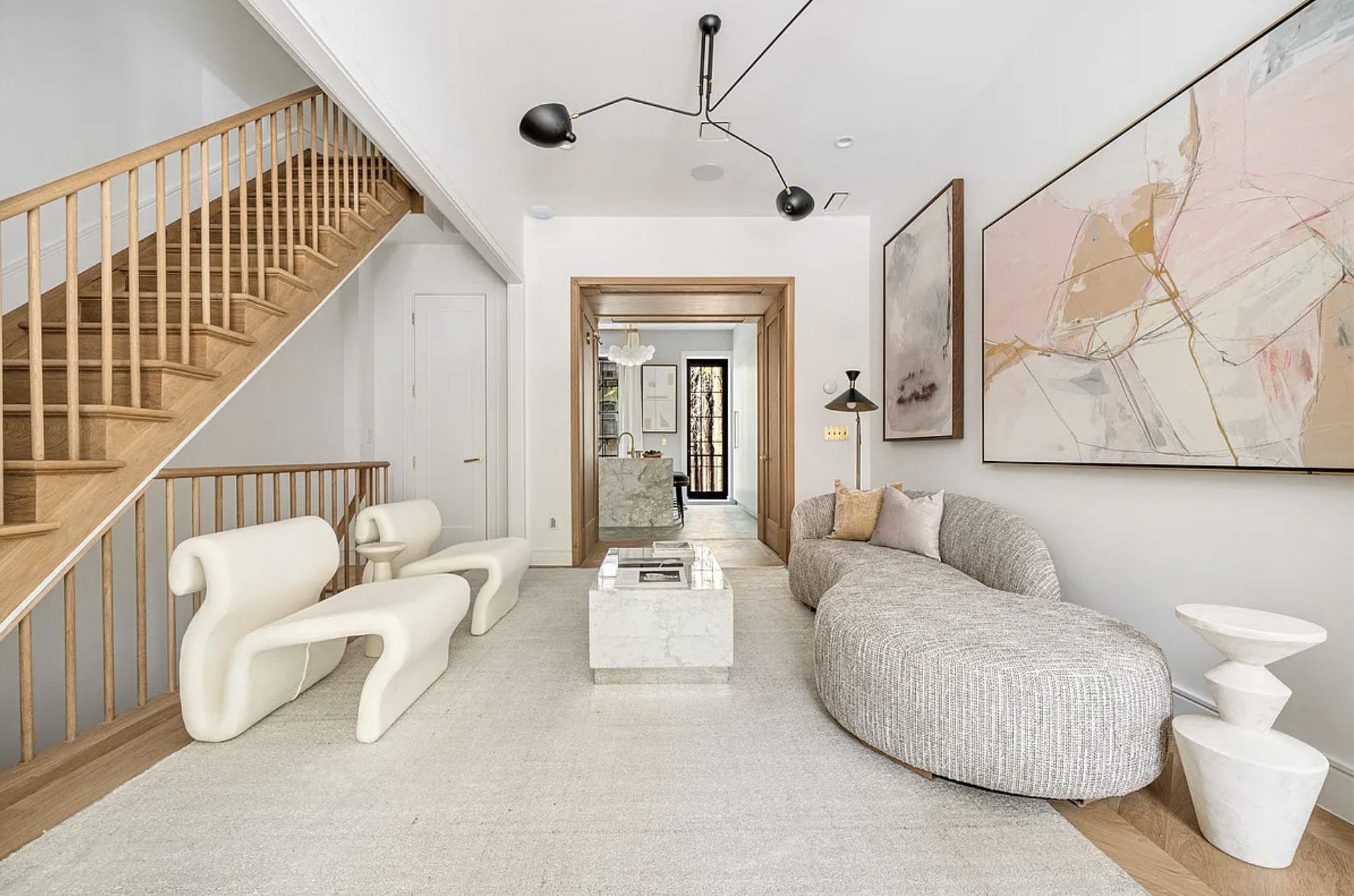
Materials and textures bring dimension and authenticity to interiors. A space with only smooth surfaces can feel flat, while one with varied textures feels richer and more inviting.
Wood, fabric, stone, metal, and glass each add unique qualities. Combining them thoughtfully enhances visual depth and tactile comfort. Texture also influences acoustics and lighting, affecting how a room feels beyond appearance.
Understanding how to be better at interior design mintpaldecor means paying attention to how materials interact within a space, ensuring they complement rather than compete with each other.
Lighting as a Design Tool
Lighting shapes atmosphere more than almost any other design element. Natural light enhances openness, while artificial lighting defines mood and function. A well-designed lighting plan uses layers to achieve balance.
Ambient lighting provides overall illumination, task lighting supports specific activities, and accent lighting highlights architectural or decorative features. Each layer plays a role in creating a complete environment.
For those exploring how to be better at interior design mintpaldecor, mastering lighting transforms spaces dramatically without major structural changes.
Furniture Selection and Placement
Furniture defines how a room is experienced. The right pieces support function, comfort, and style while fitting the scale of the space. Oversized furniture can overwhelm a room, while pieces that are too small may feel disconnected.
Placement matters just as much as selection. Furniture should encourage conversation, movement, and usability. Arrangements that respect room proportions make spaces feel intentional and well-organized.
Learning how to be better at interior design mintpaldecor involves seeing furniture as part of a larger composition rather than individual items.
Table One: Key Interior Design Elements and Their Impact
| Design Element | Purpose | Visual Impact |
|---|---|---|
| Space Planning | Improves functionality | Creates flow and openness |
| Color Selection | Influences mood | Sets emotional tone |
| Lighting Design | Enhances ambiance | Defines atmosphere |
| Material Choice | Adds texture | Builds depth and warmth |
| Furniture Layout | Supports usage | Improves comfort |
Styling and Decorative Details
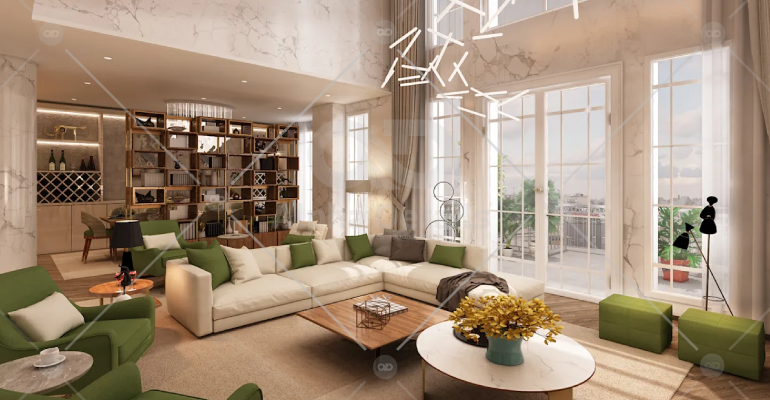
Decorative details give personality to interiors, but restraint is essential. Styling should enhance the space rather than clutter it. Art, textiles, plants, and accessories add layers of interest when chosen carefully.
Grouping objects thoughtfully and leaving breathing room between elements helps maintain balance. Each decorative piece should have a purpose, whether emotional or aesthetic.
Understanding how to be better at interior design mintpaldecor includes learning when to stop adding elements and allow the design to speak for itself.
Creating Cohesion Across Rooms
A well-designed home feels connected from room to room. Cohesion does not mean repetition but rather a consistent design language. This may include similar color tones, materials, or design themes.
Transitions between spaces should feel natural. Even when rooms serve different functions, subtle connections maintain harmony throughout the home.
For anyone studying how to be better at interior design mintpaldecor, cohesion ensures that individual rooms contribute to a unified overall experience.
Budget Awareness and Smart Design Choices
Great interior design is not defined by cost. Creativity often thrives within constraints. Smart design choices focus on value, durability, and versatility rather than price alone.
Prioritizing key elements while simplifying others helps maintain balance. Investing in quality where it matters most leads to long-term satisfaction.
Learning how to be better at interior design mintpaldecor involves making thoughtful decisions that align with both aesthetic goals and practical realities.
Learning from Real Spaces
Experience is one of the best teachers in interior design. Observing how real spaces function provides insight beyond theory. Visiting homes, public spaces, and showrooms helps sharpen spatial awareness.
Pay attention to how lighting changes throughout the day, how materials age, and how people interact within a space. These observations build intuitive design understanding.
This practical exposure is essential for anyone committed to how to be better at interior design mintpaldecor.
Table Two: Interior Design Skills and How to Improve Them
| Skill Area | Focus Method | Improvement Outcome |
|---|---|---|
| Space Awareness | Observing layouts | Better room flow |
| Color Coordination | Studying palettes | Harmonious visuals |
| Lighting Planning | Testing light layers | Enhanced ambiance |
| Material Pairing | Exploring textures | Balanced interiors |
| Styling Judgment | Practicing restraint | Refined aesthetics |
Emotional Connection and Design

Interior design is deeply personal. The most successful spaces evoke emotion and comfort. A room should feel like it belongs to the people who use it.
Personal memories, meaningful objects, and cultural influences enrich interiors with authenticity. These elements create emotional resonance beyond trends.
Understanding how to be better at interior design mintpaldecor includes embracing emotional storytelling as part of the design process.
Evolving with Design Confidence
Confidence grows with practice and reflection. Every design decision becomes easier when guided by understanding rather than uncertainty. Mistakes are part of growth and often lead to stronger design instincts.
Documenting projects mentally and evaluating what worked or didn’t helps refine future choices. Over time, design intuition becomes more reliable.
For those committed to how to be better at interior design mintpaldecor, confidence is the result of learning, experimenting, and trusting the process.
Conclusion
Interior design is a continuous journey of observation, creativity, and thoughtful decision-making. Learning how to be better at interior design mintpaldecor means developing awareness of space, color, texture, and emotion while balancing function and beauty.
By understanding core principles, practicing intentional planning, and cultivating personal style, anyone can create interiors that feel meaningful and refined. Interior design is not about perfection but about creating spaces that support life, comfort, and expression.
With patience and curiosity, improvement becomes natural, and each space becomes an opportunity to tell a story through design.
Read More:- What Is Interior Design Meaning Process Styles Explained Today UX