
What Is Asbestos And Its Risks
Asbestos is a naturally occurring mineral that was once widely used in building materials due to its strength, heat resistance, and insulating properties. While it was considered a wonder material for decades, its use in homes has largely been phased out since the late 1980s. The primary concern with asbestos is that when materials containing it are disturbed, they can release microscopic fibers into the air. These fibers are incredibly small and can be easily inhaled, posing significant health risks. Over time, exposure to these fibers has been linked to serious respiratory illnesses, including lung cancer and mesothelioma.
Common Locations Of Asbestos-Containing Materials
Many older homes, particularly those built between the 1940s and early 1980s, may still contain asbestos-containing materials (ACMs). Identifying these materials often requires a professional inspection, as they can be hidden within common household items. Some of the most frequent places to find ACMs include:
- Insulation: Especially around pipes, boilers, and attic spaces. Vermiculite insulation, often appearing pebbly, is a common culprit.
- Flooring: Vinyl floor tiles (especially older 9×9 inch tiles), their backing, and the adhesives used to install them.
- Ceilings and Walls: Textured paints, popcorn ceilings, and the joint compounds used in drywall.
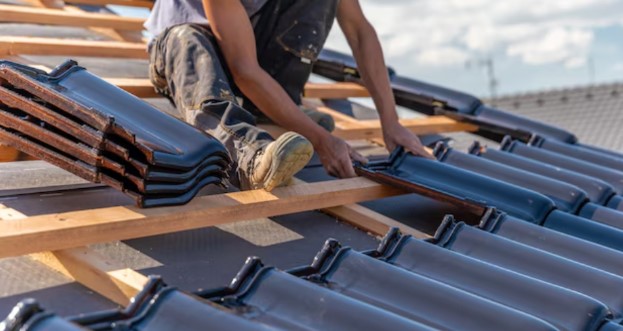
- Roofing and Siding: Asbestos-cement shingles and siding panels were popular for their durability.
- Around Appliances: Insulation materials used around older stoves and furnaces.
It’s important to remember that intact and undisturbed asbestos materials generally do not pose an immediate threat. The danger arises when these materials are damaged or altered. Homes constructed between the 1940s and early 1980s are most likely to contain asbestos.
The Dangers Of Disturbed Asbestos Fibers
When asbestos-containing materials are damaged, broken, cut, or sanded, tiny asbestos fibers can become airborne. These fibers are so small that they cannot be seen with the naked eye and can remain suspended in the air for extended periods. Once inhaled, these fibers can lodge themselves deep within the lungs and other organs. The body has difficulty expelling these fibers, which can lead to inflammation and scarring over many years. This long-term exposure is the primary reason asbestos is a significant health concern. Asbestos, when disturbed, releases microscopic fibers that can easily become airborne.
Professional Asbestos Testing And Inspection
When dealing with older homes, especially those built before the 1980s, it’s wise to consider the possibility of asbestos-containing materials. While asbestos was once widely used for its beneficial properties, its health risks are now well-documented. The only way to know for sure if asbestos is present in your home is through professional testing. This isn’t a DIY job; it requires specialized knowledge and equipment to do it safely and accurately.
Why Professional Testing Is Crucial
Attempting to identify asbestos on your own can be dangerous. Asbestos fibers are microscopic and cannot be seen, smelled, or tasted. Disturbing suspect materials without proper precautions can release these fibers into the air, leading to potential health problems. Professional inspectors are trained to recognize potential asbestos-containing materials (ACM) and know how to collect samples without contaminating the environment. They also understand the regulations surrounding asbestos and can provide reliable assessments. Hiring an independent inspector, one who doesn’t also offer removal services, helps avoid any potential conflicts of interest. You can find qualified professionals through resources like local asbestos inspectors.
The Asbestos Testing Process
The process typically involves several steps to confirm the presence and condition of asbestos:
- Visual Assessment: An inspector will carefully examine your home, looking for materials that commonly contain asbestos. This might include insulation, flooring, ceiling tiles, and pipe wrap.
- Sample Collection: If suspect materials are found, the inspector will take small samples. This is done using specific techniques to minimize fiber release.
- Laboratory Analysis: The collected samples are sent to an accredited laboratory for analysis. This is the only way to definitively identify asbestos and determine its type.
- Report and Recommendations: Once the lab results are back, the inspector will provide a detailed report. This report will outline the findings, including the location and type of any asbestos present, and offer recommendations based on the material’s condition.
Interpreting Test Results And Recommendations
Test results will indicate whether asbestos is present and, importantly, its condition. Asbestos that is intact and undisturbed generally poses little risk. However, if materials are damaged, crumbling, or likely to be disturbed by future renovations, they may require action. Recommendations can range from leaving the material in place with regular monitoring to encapsulation (sealing the fibers) or enclosure (covering the material). In some cases, full removal might be advised, but this is usually a last resort. Understanding these results is key to making informed decisions about your home’s safety. If removal is deemed necessary, it’s vital to select a contractor with the right credentials, like those found in New Hampshire asbestos services.
When To Consider Residential Asbestos Removal
Deciding whether to remove asbestos from your home isn’t always straightforward. Often, asbestos-containing materials (ACM) that are in good condition and left undisturbed pose little risk. However, certain situations make removal or other abatement methods a necessary consideration for your household’s safety.
Identifying Hazardous Asbestos Materials
Not all asbestos is created equal, and its condition plays a significant role in determining the level of risk. Generally, asbestos becomes hazardous when it is disturbed or damaged, allowing microscopic fibers to become airborne.
- Friable asbestos: This type of material is easily crumbled, pulverized, or reduced to powder by hand pressure when dry. Examples include some types of insulation, pipe wrap, and textured paints. Friable asbestos is always considered a high risk because it readily releases fibers.
- Non-friable asbestos: This material is more solid and less likely to release fibers unless it is damaged or subjected to significant force. Examples include vinyl floor tiles, cement siding, and some roofing materials. While less likely to release fibers, damage can still create a hazard.
The only way to be certain about the presence and condition of asbestos is through professional testing. Visual identification is often unreliable, and disturbing suspect materials without knowing their condition can be dangerous. If your home was built before the 1980s, it’s wise to assume asbestos may be present in certain building materials and to have them inspected. Professional testing is the first step in understanding the potential risks.
Situations Mandating Asbestos Removal
Several scenarios typically warrant considering asbestos removal or other abatement techniques:
- Damaged or Deteriorating Materials: If ACM is crumbling, flaking, or showing signs of wear and tear, it is releasing fibers into the air. This is a clear indication that action is needed.
- Planned Renovations or Demolition: If your renovation plans involve disturbing materials that may contain asbestos—such as removing walls, ceilings, flooring, or plumbing—these materials must be addressed beforehand. Disturbing asbestos during construction can create widespread contamination.
- Accidental Disturbance: If you accidentally damage materials you suspect contain asbestos, stop all work immediately. Evacuate the area, seal it off without further disturbance if possible, and contact a professional for guidance. Attempting to clean up disturbed asbestos yourself can spread fibers further.
- High-Risk Locations: Materials like pipe insulation or old duct tape, especially in basements or attics, are often degraded and can easily release fibers. If these are in poor condition or will be impacted by work, they require attention.
Alternatives To Full Removal: Encapsulation And Enclosure
In some cases, complete removal might not be the only or best option. Two common alternatives can manage asbestos safely:
- Encapsulation: This process involves coating asbestos-containing materials with a sealant. The sealant penetrates the material and binds the asbestos fibers together, or it forms a protective coating that prevents fibers from becoming airborne. This method is often suitable for intact materials that are not likely to be disturbed.
- Enclosure: This technique involves covering asbestos-containing materials with a durable barrier, such as drywall or a metal wrap. This physically isolates the ACM, preventing fiber release. Like encapsulation, this is best for materials that will remain undisturbed and where the enclosure itself will not be breached.
While these methods can be effective, they require ongoing awareness. Future renovations or repairs in the encapsulated or enclosed areas must account for the presence of asbestos. It is always recommended to consult with a qualified asbestos professional to determine the most appropriate course of action for your specific situation.
Selecting A Qualified Asbestos Abatement Contractor
Choosing the right company to handle asbestos removal is a big deal. It’s not just about getting the job done; it’s about making sure it’s done safely for you, your family, and anyone who might enter your home later. A mistake here could cause serious health problems.
When you start looking, remember that proper asbestos abatement is a complex process. It involves more than just tearing things out. You’ll want to find contractors who are properly trained and certified. It’s a good idea to check if they have experience with projects similar to yours. You can often find lists of licensed professionals through your state’s environmental or health department, like those available for finding licensed asbestos contractors.
Here are some important things to look for and ask about:
- Credentials and Accreditation: Don’t be shy about asking for proof of training and certification for both the company and the individual workers. Everyone involved should have the necessary qualifications. This is a key indicator of their commitment to safe practices and adherence to regulations. You can also look for information on asbestos training and certification requirements in your area.
- Contracts and Work Plans: Make sure you get a detailed contract that clearly outlines the scope of work, the timeline, cleanup procedures, and how they will handle waste disposal. A good contractor will have a clear plan before they even start.
- Removal Methods and Safety: Ask specific questions about their removal techniques. Will they use wet methods to keep dust down? What kind of air filtration systems (like HEPA filters) will be in place? How will they protect workers and prevent the asbestos from spreading to other parts of your home during the process? What are their decontamination procedures after the work is done?
Getting these details ironed out upfront can save a lot of headaches and, more importantly, protect your health.
The Professional Residential Asbestos Removal Process
Containment and Air Filtration Procedures
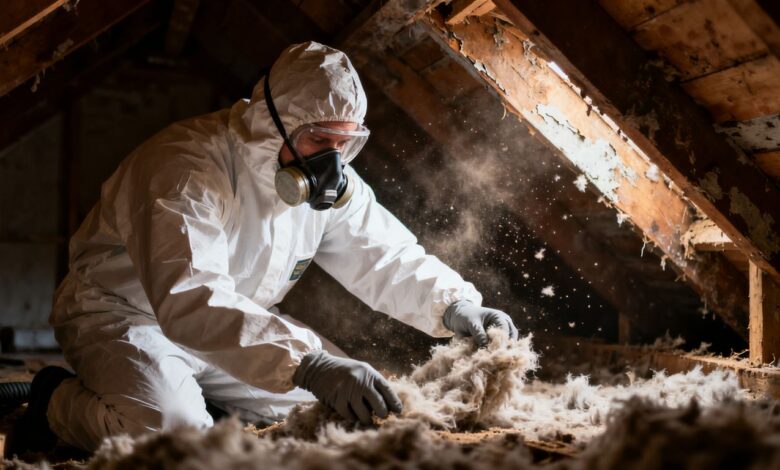
Before any work begins, the area where asbestos is present must be completely sealed off. This is done to prevent asbestos fibers from spreading into other parts of your home. Professionals use specialized plastic sheeting and tape to create airtight barriers. They also set up negative air pressure machines equipped with HEPA filters. These machines pull air out of the contained area and filter out any asbestos particles before releasing the air outside. This containment is a critical step in protecting the health of everyone in the household.
Safe Removal Techniques and Worker Protection
Once the area is secure, the actual removal process starts. Professionals use methods designed to minimize fiber release. This often involves wetting the asbestos-containing materials before they are touched. Wetting helps to keep the fibers from becoming airborne. Tools used are typically non-powered to avoid generating dust. Workers involved in the removal wear special protective suits and respirators to shield themselves from any stray fibers. This careful approach is vital for both the safety of the workers and the occupants of the home. It’s important to remember that attempting to remove asbestos yourself is extremely dangerous and not recommended; always hire a certified professional for asbestos removal.
Decontamination and Air Clearance Testing
After the asbestos materials have been removed, the work area needs to be thoroughly cleaned. This involves using specialized vacuums with HEPA filters and wet wiping surfaces. A decontamination unit, often including a shower, is set up for workers to use before they leave the work zone. This prevents them from tracking any residual fibers outside the containment area. Finally, air clearance testing is performed. This involves taking air samples from the work area and having them analyzed in a lab to confirm that asbestos fiber levels are below acceptable safety standards. Only when the air is confirmed to be clear can the containment be removed.
Proper Waste Handling and Disposal
All asbestos-containing waste is carefully bagged in thick, labeled plastic bags. These bags are then placed in sealed containers for transport. The disposal of asbestos waste is strictly regulated. Professionals transport the waste to approved landfills or facilities that are licensed to handle hazardous materials. This ensures that the asbestos is disposed of safely and does not pose a risk to the public or the environment. Proper disposal of asbestos is a key part of the abatement process.
What Not To Do When Dealing With Asbestos
When asbestos is present in a home, it is vital to approach the situation with caution and a clear understanding of what actions to avoid. Disturbing asbestos-containing materials can release microscopic fibers into the air, posing serious health risks. Homeowners should never attempt to remove asbestos themselves, as this is a complex and dangerous task that requires specialized training and equipment. DIY asbestos testing is also strongly discouraged due to the potential for improper handling and inaccurate results, which could lead to a false sense of security or unnecessary alarm. Instead, always rely on certified professionals for both testing and removal.
Here are some key actions to avoid:
- Do not attempt to remove asbestos materials on your own. This includes sawing, sanding, scraping, drilling, or breaking apart any materials suspected of containing asbestos. These actions can easily aerosolize the fibers.
- Avoid sweeping or vacuuming asbestos-containing debris. Standard household vacuums are not equipped to capture asbestos fibers, and sweeping can stir them into the air. If accidental disturbance occurs, wet-cleaning methods are preferred until professionals can assess the situation.
- Do not disturb asbestos-containing materials if they are in good condition. Intact asbestos that is not damaged or deteriorating generally does not pose an immediate threat. The danger arises when the material is compromised.
If you suspect asbestos is present and it becomes accidentally disturbed, it is important to prevent further fiber spread. Keep children and pets away from the affected area. Do not walk through or disturb any debris. Contact a qualified asbestos abatement contractor immediately to assess the situation and perform necessary remediation. For peace of mind regarding potential asbestos presence, consider professional asbestos testing.
It is also important to remember that even when asbestos is present, it may not require removal if it is in good condition and unlikely to be disturbed. In such cases, encapsulation or enclosure might be safer alternatives to full removal. However, any decision regarding asbestos should be made in consultation with a certified professional who can provide accurate assessments and recommendations based on the specific circumstances. Remember, improper handling can lead to significant health hazards, and specialized safety measures, such as using appropriate respirators, are necessary for anyone working with asbestos.