
Moving into a new home is exciting, but it’s also easy to overlook practical details in the rush to unpack and settle in. Boxes pile up, furniture gets placed wherever there’s space, and small functional issues get pushed aside until they become genuinely inconvenient. A room-by-room approach helps you catch the things that matter before they become expensive to fix later. Here’s a checklist to work through as you set up each part of your new place.
Kitchen: Check Before You Cook
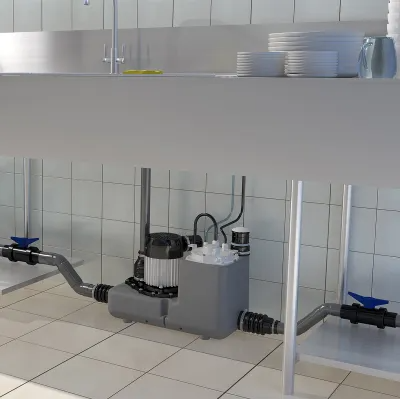
Before your kitchen becomes fully functional, test every tap, check under-sink plumbing for leaks, and confirm the drainage works properly, especially if you’re adding a dishwasher or a second sink. If your kitchen layout doesn’t allow for conventional gravity drainage, an under-sink pump can solve the problem without any civil work, which is worth knowing before you finalize your kitchen island or counter placement. It’s also a good time to check whether existing plumbing can support any appliances you plan to add later, so you’re not cutting into freshly installed cabinetry down the line.
Bathrooms: Test Everything, Not Just the Basics
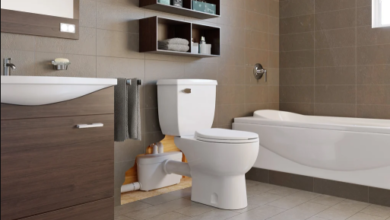
Flush every toilet, run every tap, and check the water pressure in each bathroom, particularly if the home has multiple floors. If you’re planning to add an extra washroom, perhaps in a basement or a previously unused space, note that conventional plumbing might not reach it. A macerator pump such as the Saniaccess 3 lets you install a fully functional bathroom in locations where standard gravity drainage isn’t an option, which is useful to know early if you’re planning any layout changes for a growing family or visiting guests.
Laundry and Utility Areas
Utility areas often get set up last, but plumbing problems here are just as disruptive as anywhere else. Confirm that your washing machine’s drainage point works efficiently and doesn’t back up, especially in apartments where the utility area is far from the main drainage line. If you’re setting up a new utility room in a space without existing plumbing infrastructure, compact lifting solutions can route wastewater to the nearest drainage point without requiring floor-breaking work, saving you both time and mess during an already busy moving period.
Living and Common Areas
Beyond furniture placement, check electrical points, natural lighting, and ventilation in your main living spaces before committing to a layout. Small adjustments, like relocating a lamp or adding a mirror to bounce light, can make a rented or newly purchased space feel considerably more comfortable. It’s worth living with a temporary layout for a week or two before drilling holes or mounting anything permanently, since your sense of how the space actually gets used often shifts once you’re living in it day to day.
Bedrooms and Storage Spaces
Check wardrobe fittings, window seals, and any built-in storage for wear before fully unpacking. If a bedroom will double as a home office or study space, plan electrical points and lighting accordingly before furniture placement locks in the layout. Addressing these details early avoids the frustration of rearranging an already-settled room a few weeks later.
Building-Wide Systems Worth Understanding
If you’ve moved into an apartment building, take time to understand the building’s shared systems, particularly water supply timing and how wastewater is managed for the property as a whole. Buildings equipped with dependable lifting stations, like a Sanicom 2 for grey water or a full Sanicubic lifting station range for sewage, tend to have fewer drainage complaints during monsoon season, which is a good thing to ask your building management about during your first few weeks as a resident.
Keep a Simple Maintenance Folder From Day One
Start a folder, physical or digital, for warranty documents, service contacts, and appliance manuals as soon as you move in, rather than scrambling to find them the first time something breaks. Include contact details for a plumber, electrician, and any building maintenance staff you’ll likely need. This small bit of organization upfront makes handling the inevitable minor repairs of a new home far less stressful, and it means you’re not searching for a warranty card at midnight when something stops working unexpectedly.
Final Thoughts
A careful room-by-room check during the first few weeks in a new home saves you from discovering plumbing and drainage issues the hard way, usually at the most inconvenient time. A little diligence upfront means you get to enjoy your new space instead of troubleshooting it.