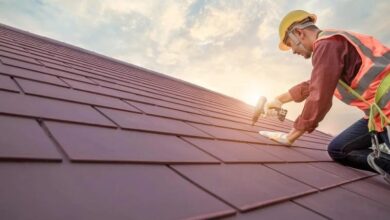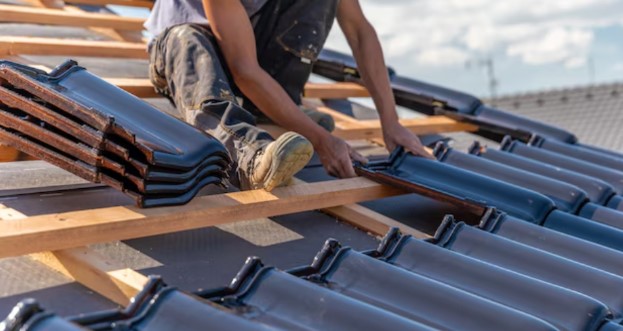

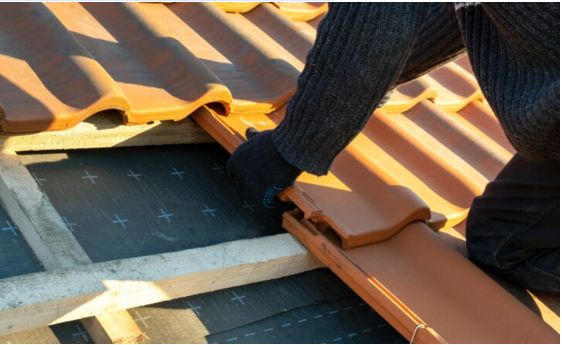
Your home’s roof plays a much bigger role than just protecting you from weather. It is a key part of your home’s energy system. With the right materials and design, residential roofing can help reduce energy use, lower utility bills, and make your home more comfortable throughout the year. Many homeowners overlook how much impact a well-designed roof can have on energy efficiency, but it is one of the most important elements of a modern, cost-effective home.
The Role of Residential Roofing in Energy Efficiency
Residential roofing acts as a barrier between your home and the outside environment. It controls how heat enters and leaves your house. During hot weather, a good roof reflects sunlight and prevents excess heat from entering. In colder months, it helps keep warmth inside. This balance reduces the need for constant heating and cooling, which saves energy over time.
Modern residential roofing systems are designed to improve insulation and airflow. When these systems are properly installed, they create a stable indoor temperature. This reduces the strain on heating and cooling systems, making your home more energy efficient and comfortable.
Choosing Energy-Efficient Roofing Materials
The type of material used in residential roofing has a direct impact on energy performance. Some materials are better at reflecting sunlight, while others provide stronger insulation. For example, metal roofs and specially coated shingles are known for their reflective properties. These materials help reduce heat absorption, especially in warmer climates.
Light-colored roofing materials are also more energy efficient because they reflect more sunlight compared to darker colors. In addition, advanced roofing technologies now offer materials that combine durability with energy-saving benefits. Choosing the right material is an important step toward improving your home’s overall efficiency.
Importance of Proper Insulation and Ventilation
Even the best residential roofing materials cannot perform well without proper insulation and ventilation. Insulation helps keep indoor temperatures stable by preventing heat transfer. Without it, warm air can escape during winter and enter during summer, leading to higher energy consumption.
Ventilation is equally important. A well-ventilated roof allows air to circulate, preventing heat buildup in the attic. This helps maintain a balanced temperature and reduces the workload on air conditioning systems. Proper insulation and ventilation work together to make residential roofing more effective in improving energy efficiency.
Reducing Energy Costs Through Smart Roofing Design
A well-planned residential roofing system can significantly lower energy costs. By reducing the need for heating and cooling, homeowners can see noticeable savings on their utility bills. Over time, these savings can offset the initial cost of installing energy-efficient roofing.
Smart roofing design also includes features like reflective coatings and advanced sealing techniques. These elements prevent air leaks and improve the roof’s overall performance. Investing in high-quality residential roofing is not just about durability but also about long-term energy savings.
Environmental Benefits of Energy-Efficient Roofing
Energy-efficient residential roofing does not only benefit homeowners but also the environment. When homes use less energy, there is a reduction in greenhouse gas emissions. This contributes to a healthier and more sustainable environment.
Using eco-friendly roofing materials can further enhance these benefits. Many modern roofing options are made from recycled materials and are designed to last longer, reducing waste. By choosing energy-efficient residential roofing, homeowners can play a role in protecting the environment while enjoying lower energy costs.
Conclusion
Residential roofing is a crucial factor in improving your home’s energy efficiency. From selecting the right materials to ensuring proper insulation and ventilation, every aspect of your roof contributes to energy savings and comfort. A well-designed residential roofing system not only reduces utility bills but also supports environmental sustainability. By investing in energy-efficient roofing, homeowners can create a more comfortable, cost-effective, and eco-friendly living space.