
When a plumbing emergency happens at home, it can quickly turn into a stressful and damaging situation. Problems like burst pipes, overflowing toilets, or sudden leaks can disrupt daily life and even harm the structure of a house. In these moments, a professional plumber plays an important role in controlling the situation and preventing further damage. Their quick response and technical skills help homeowners restore normal conditions safely and efficiently. Understanding how plumbers assist during emergencies can help you feel more prepared when unexpected issues arise.
Common Emergency Plumbing Problems
Homeowners often face different types of urgent plumbing issues that need immediate attention. One of the most common problems is a burst pipe, which can release a large amount of water in a short time and damage floors, walls, and furniture. Another frequent issue is a severe drain blockage that causes sinks, toilets, or showers to overflow. Water heater failures can also become emergencies, especially during cold weather when hot water is necessary for daily use. In all these situations, a plumber is needed quickly to stop the problem from getting worse and to restore the system safely.
How a Plumber Responds Quickly in Emergencies
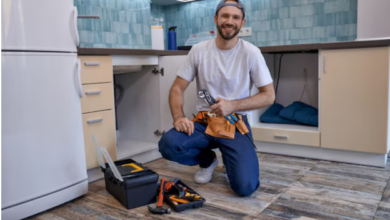
When a plumbing emergency occurs, time is very important. A professional plumber usually responds as quickly as possible to reduce damage. The first step they often take is to identify the main source of the problem, such as shutting off the water supply to prevent further leakage. After that, they assess the situation to understand how serious the damage is and what kind of repair is needed. With their experience, a plumber can make fast decisions that help control the emergency and protect the home from additional water damage.
Tools and Techniques Used by Plumbers
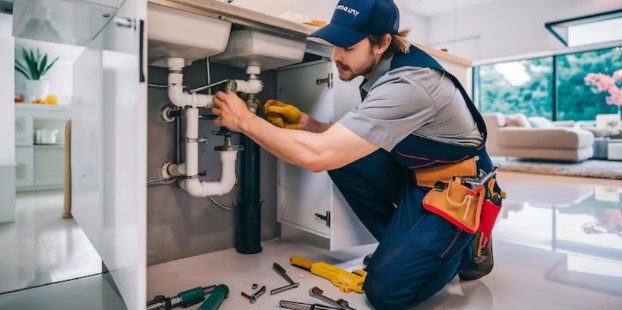
A skilled plumber uses specialized tools and techniques to fix emergency plumbing issues efficiently. They may use pipe inspection cameras to locate hidden leaks inside walls or underground pipes. High-pressure water jets are often used to clear stubborn blockages in drains and sewer lines. For pipe repairs, they may use sealing materials or replace damaged sections completely, depending on the severity of the issue. These tools allow a plumber to work quickly and accurately, ensuring the problem is solved properly rather than temporarily fixed.
Why Professional Help Matters in Emergencies
Emergency plumbing situations require knowledge and experience that most homeowners do not have. A trained plumber understands how different plumbing systems work and can identify problems that are not always visible. Trying to fix serious issues without proper skills can make the situation worse or cause further damage. Professional help ensures that repairs are done safely and correctly, reducing the risk of future problems. A plumber also helps protect the home’s structure by preventing water damage that could lead to mold or weakening of materials.
Tips for Homeowners While Waiting for a Plumber
While waiting for a plumber to arrive, homeowners can take a few simple steps to reduce damage. The most important action is to turn off the main water supply if the leak is severe. Moving valuable items away from the affected area can also help prevent loss. If water is spreading, using towels or buckets can reduce the impact temporarily. It is also helpful to avoid using affected fixtures until the plumber has inspected the issue. These small steps can make a big difference in controlling the situation until professional help arrives.
Conclusion
Emergency plumbing problems can be stressful, but knowing how a plumber assists in these situations can bring peace of mind. From quickly identifying the source of the issue to using advanced tools for repair, plumbers play a key role in protecting homes from serious damage. Their skills and fast response help restore safety and comfort as quickly as possible. For homeowners, understanding the importance of professional plumbing support ensures better preparation when unexpected problems occur.